How AI and Smart Automation Are Powering the Next Generation of Construction Equipment Tracking
Table of Contents:
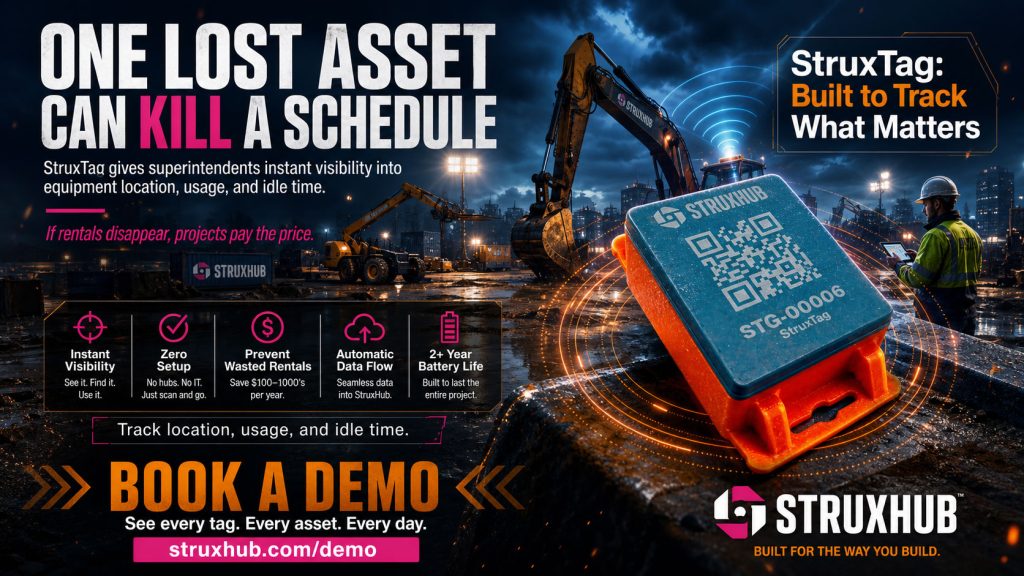
Construction equipment tracking has evolved rapidly over the last decade. What started as basic asset tagging and manual spreadsheets has transformed into a sophisticated, data-driven ecosystem powered by artificial intelligence and intelligent automation. As projects grow larger, timelines get tighter, and margins shrink, superintendents need more than simple location tracking. They need real-time performance insights, predictive maintenance alerts, automated check-in systems, and accurate usage data that helps them plan ahead instead of reacting to problems as they arise.
AI and automation are now reshaping the way equipment is monitored, maintained, and assigned across jobsites. These technologies give superintendents total visibility over their assets while reducing the administrative workload that once took hours each week. Software can detect unusual equipment movement, predict mechanical failures, assign resources automatically, and analyze performance trends that would take a human team days to interpret.
In this guide, we will explore how AI and smart automation are transforming equipment tracking into a proactive, intelligent system that boosts productivity, reduces downtime, and strengthens jobsite safety.
AI Is Transforming Equipment Tracking From Passive Monitoring to Predictive Intelligence
Traditional equipment tracking systems primarily answered one question: “Where is the tool or machine right now?” While helpful, this limited view could not prevent delays, predict maintenance needs, or optimize usage. AI changes this completely by turning equipment data into actionable predictions.
Modern AI-enabled equipment tracking software learn from usage patterns, environmental conditions, and maintenance history. They predict when a machine will need servicing, identify when equipment is being overused or underused, and detect irregular behavior that may indicate future problems. AI also highlights inefficiencies, such as machinery that frequently sits idle or tools that consistently go missing between shifts.
These insights give superintendents powerful foresight. Instead of responding to breakdowns or equipment shortages after they happen, teams can plan proactively. AI makes equipment management less reactive and more strategic, allowing superintendents to prevent delays, reduce repair costs, and move resources exactly where they are needed.
Top Benefits
- Predicts maintenance needs before breakdowns occur
- Spots equipment misuse or underutilization early
- Helps superintendents plan crew assignments more accurately
Best Practices
- Install IoT sensors on high-value equipment for continuous monitoring
- Review AI maintenance predictions weekly for scheduling adjustments
- Use AI insights to rebalance equipment distribution across crews
Q&A Mini Section
Q: How does AI become more accurate over time?
A: AI models learn from every project’s data, improving predictions with more usage history.
Q: Can AI forecasting be trusted for safety-critical decisions?
A: Yes. It identifies risk patterns that humans may miss, improving decision-making without replacing expert judgment.
Q: Does AI require expensive hardware?
A: No. Many sensors and tracking tags are affordable and can be retrofitted to existing equipment.
AI shifts equipment tracking into a predictive system that helps superintendents plan ahead and avoid disruptions.
Smart Automation Is Eliminating Manual Tracking and Reducing Jobsite Delays
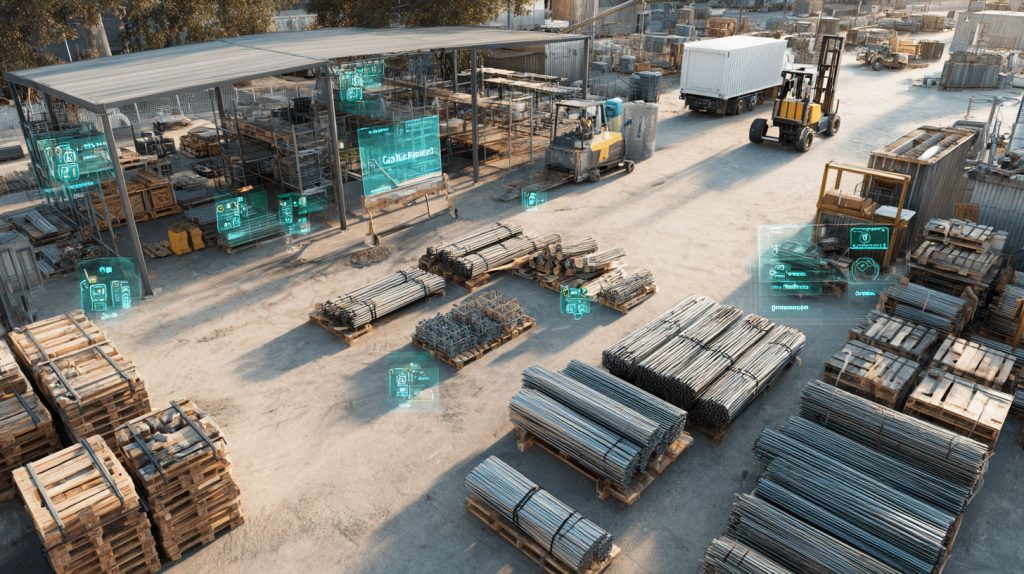
Manual equipment tracking relies heavily on paperwork, memory, and verbal updates between crews. These methods lead to errors, lost tools, and hours of wasted time searching for equipment. Smart automation removes these friction points entirely. As equipment is scanned, moved, or serviced, the system updates automatically without requiring any manual data entry.
Automation also simplifies daily equipment interactions. Crews can check tools in and out with a quick scan. When equipment crosses a geofenced boundary or enters a restricted zone, alerts notify leadership instantly. Maintenance reminders are generated automatically based on usage thresholds rather than fixed schedules.
By eliminating manual tasks, automation reduces delays and prevents equipment from becoming a bottleneck. Superintendents spend less time tracking down machinery and more time leading crews, coordinating activities, and keeping schedules on track.
Top Benefits
- Removes manual check-in and tracking tasks
- Ensures equipment availability data stays accurate and current
- Prevents schedule disruptions by flagging issues in real time
Best Practices
- Set automated alerts for unauthorized movement or after-hours activity
- Use automated check-in systems to reduce tool loss
- Review automated logs to confirm compliance with equipment workflows
Q&A Mini Section
Q: Does automation require additional staff training?
A: Minimal training is needed because most tasks run automatically once enabled.
Q: Can automation reduce jobsite theft?
A: Yes. Movement alerts and usage logs help identify suspicious activity immediately.
Q: How much time does automation save superintendents weekly?
A: Many save three to six hours per week by eliminating manual tracking.
Automation helps superintendents run the jobsite more smoothly by keeping equipment data accurate without added effort.
Related Articles:
Real-Time Performance Data and Analytics Are Driving Smarter Decisions
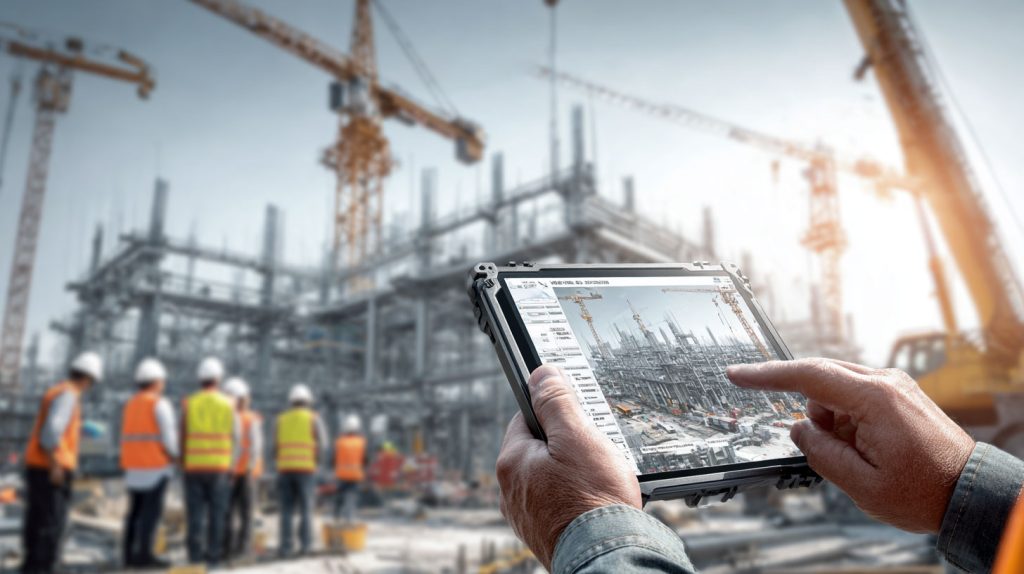
AI and automation are only as powerful as the data behind them. The next generation of equipment tracking tools delivers real-time analytics that show how machines and tools are performing across the entire jobsite. Dashboards highlight run hours, idle time, utilization rates, and maintenance history in a single place.
These insights allow superintendents to identify inefficiencies early. If a machine sits idle too long, it can be reassigned. If a tool is frequently lost, extra tags or storage processes can be implemented. If a piece of equipment needs servicing, it can be scheduled before the breakdown disrupts workflow.
Real-time analytics also support long-term planning. Leaders can evaluate which machines are worth renting versus buying, which suppliers perform best, and how much equipment will be needed in upcoming phases.
Top Benefits
- Shows live performance metrics for every asset
- Helps superintendents optimize equipment allocation
- Reduces project costs through smarter data-driven planning
Best Practices
- Review analytics dashboards during weekly planning meetings
- Compare performance trends to identify aging or unreliable equipment
- Use usage data to refine scheduling and forecasting for future projects
Q&A Mini Section
Q: Are analytics helpful for smaller contractors?
A: Yes. Even small teams benefit from visibility into equipment usage and maintenance patterns.
Q: Do analytics require complex reporting?
A: No. Most platforms generate visual dashboards automatically.
Q: How do analytics reduce costs?
A: By revealing waste, unnecessary rentals, and underused assets.
Real-time analytics turn equipment tracking into a strategic advantage that improves planning, budgeting, and productivity.

Automated Workflows Will Keep Jobsite Operations Running Smoothly
The next generation of construction equipment management tracking depends heavily on automated workflows that keep jobsites organized without adding extra work for superintendents. Instead of relying on manual entries or end-of-day updates, automated workflows ensure equipment activity is recorded the moment it happens. When a tool is scanned, returned, moved, or flagged for service, the software updates the log instantly and alerts the right people.
These automated workflows also bridge communication gaps between crews. For example, when a generator goes offline or a lift is moved to another zone, automated alerts notify foremen immediately so they can adjust their assignments. When equipment passes a usage threshold or enters a maintenance cycle, the system triggers a task for the maintenance team. This keeps the entire coordination process clean, predictable, and consistent.
For superintendents, automated workflows reduce the need for constant follow-up. Instead of chasing down updates or verifying information manually, they can rely on the system to maintain accuracy and keep the workflow moving.
Top Benefits
- Keeps equipment data current without extra steps
- Ensures maintenance and servicing are scheduled automatically
- Improves communication between teams with instant alerts
Best Practices
- Configure automated tasks for maintenance, check-ins, and relocation updates
- Set alerts for equipment used across multiple shifts or zones
- Review workflow logs weekly to confirm accuracy and compliance
Q&A Mini Section
Q: Can automated workflows reduce downtime?
A: Yes. Automatic maintenance alerts and movement updates help prevent delays and miscommunication.
Q: How fast do automated updates appear?
A: Instantly. All connected devices sync the moment an action occurs.
Q: Do automated workflows require complex setup?
A: No. Most platforms offer ready-to-use templates with simple customization.
Automated workflows reduce friction, eliminate manual lag, and help superintendents run a smoother, faster jobsite.
Communication Tools Will Create a Connected Jobsite Ecosystem
AI and automation only work when everyone involved can see and act on the same information. This is why modern equipment tracking platforms now include built-in communication tools that keep the field, office, mechanics, operators, and suppliers aligned in real time.
Instead of relying on scattered emails, texts, or radio calls, equipment updates are recorded directly inside the platform. If a skid steer needs maintenance, the operator logs the issue with a quick note or photo, and the system notifies the maintenance lead instantly. If a tool is relocated or misplaced, the movement is documented automatically, and the superintendent sees it on the dashboard.
Centralized communication also improves accountability. Every update is timestamped and attached to a user profile, creating a clear and verifiable history. This helps with audits, OSHA inspections, rental claims, or internal reviews.
Top Benefits
- Ensures all updates reach the right people instantly
- Reduces downtime caused by miscommunication
- Keeps a clean digital record of equipment activity and issues
Best Practices
- Use in-platform messaging instead of text or email for equipment updates
- Encourage crews to document any equipment damage or issues with photos
- Review communication history during coordination or safety meetings
Q&A Mini Section
Q: How do communication tools help superintendents stay organized?
A: They consolidate every equipment update in one system, eliminating the chaos of scattered messages.
Q: Can suppliers use the same communication platform?
A: Yes. Many systems offer limited vendor access for delivery and pickup updates.
Q: Does centralized communication improve safety?
A: Absolutely. Issues are identified and shared faster, reducing risk and improving response times.
Communication tools unite the entire jobsite, giving everyone access to the same accurate information without delays.

StruxHub
Experience the power of StruxHub today and witness firsthand how it can revolutionize your construction operations.
AI Planning and Forecasting Will Support Smarter Jobsite Decisions
In the next generation of equipment tracking, AI will play a critical role in planning. Instead of simply showing what equipment is available today, AI will forecast what the jobsite will need tomorrow, next week, and during upcoming phases.
The system analyzes historical project data, usage patterns, and production schedules to generate predictions. It can anticipate when crews will need additional machinery, when maintenance must be scheduled, and when equipment is likely to become a bottleneck. Superintendents can use these insights to schedule equipment more efficiently, plan ahead for rentals, or rotate machinery between sites to avoid shortages.
AI also helps reduce waste. If a piece of equipment is consistently underused, the system highlights it so managers can reassign it or avoid renting duplicates. This ensures resources are matched correctly to actual jobsite demand.
Top Benefits
- Predicts future equipment needs with high accuracy
- Reduces rental costs and equipment shortages
- Improves scheduling and resource planning across phases
Best Practices
- Review forecasting dashboards during weekly planning meetings
- Compare predictions with real performance to refine future planning
- Use AI insights to coordinate equipment sharing across multiple sites
Q&A Mini Section
Q: How does AI forecasting support scheduling?
A: It shows when equipment will be needed and available, helping superintendents plan ahead.
Q: Can AI identify potential bottlenecks?
A: Yes. It analyzes usage trends and warns of upcoming delays.
Q: Does AI help with budgeting?
A: It reduces unnecessary rentals and predicts maintenance, helping control costs.
AI-powered planning transforms equipment management from reactive to predictive, helping projects stay on track with fewer surprises.
Related Articles:
How AI and Smart Automation Are Powering the Next Generation of Construction Equipment Tracking
StruxHub: Revolutionizing Project Management in Large Commercial Construction
How StruxHub Supports AI-Driven and Automated Equipment Tracking
StruxHub brings AI, automation, predictive insights, and real-time communication into one unified platform built specifically for superintendents. It gives leaders complete visibility of every tool and machine, whether on a small job or a multi-site operation.
StruxHub automates check-ins, check-outs, maintenance alerts, and daily reporting, allowing superintendents to eliminate manual tasks and keep their teams productive. AI insights highlight equipment that is underused, overworked, or due for servicing, helping teams plan ahead and avoid downtime. Mobile tools ensure crews can scan, document, and update equipment status directly from the field.
Communication tools built into StruxHub keep the entire jobsite aligned. Suppliers can confirm deliveries, mechanics can log repairs, and foremen can request equipment in real time. Everything is stored in a clean digital history that supports audits, safety reviews, and insurance needs.
Top Benefits
- Combines tracking, AI insights, automation, and communication in one platform
- Helps superintendents prevent bottlenecks and equipment downtime
- Keeps projects fully coordinated with real-time updates and alerts
Best Practices
- Enable predictive alerts to stay ahead of equipment demand
- Use automated workflows for maintenance and equipment allocation
- Review StruxHub dashboards weekly to optimize resource planning
Q&A Mini Section
Q: How does StruxHub improve equipment productivity?
A: It eliminates delays caused by missing or untracked equipment and provides insights that guide better allocation.
Q: Does StruxHub integrate with other project software?
A: Yes. It connects directly with scheduling, procurement, and reporting tools.
Q: Why is StruxHub ideal for next-generation equipment tracking?
A: It merges AI, automation, and real-time communication into a single system designed for construction teams.
StruxHub helps superintendents lead with clarity and efficiency, transforming equipment tracking into a strategic advantage rather than a daily burden.
FAQ: AI, Automation, and the Future of Construction Equipment Tracking
1. How is AI transforming equipment tracking on construction sites?
AI is shifting equipment tracking from simple location monitoring to intelligent prediction and analysis. Instead of only showing where a machine is, AI reviews performance data, usage patterns, and historical records to forecast maintenance needs, detect inefficiencies, and identify equipment that may cause delays. This helps superintendents anticipate problems before they happen. AI can also highlight underused assets, flag unusual movement, and recommend optimal equipment allocation. As jobsite demands increase, AI becomes a practical partner in decision-making, offering data-driven insights that improve efficiency, safety, and planning accuracy.
2. How does smart automation help reduce delays and administrative work for superintendents?
Smart automation handles the routine tracking tasks that once required manual entry or constant supervision. When equipment is moved, scanned, or serviced, automation updates the system automatically. Alerts notify teams immediately when equipment needs maintenance or leaves designated areas. Automated check-ins and logs reduce paperwork and speed up coordination across crews. This ensures equipment status is always accurate, schedules remain consistent, and superintendents do not waste valuable time chasing down information. Automation turns tracking into a hands-off workflow that keeps projects productive and organized.
3. What role do IoT sensors play in next-generation equipment tracking?
IoT sensors collect real-time data on equipment performance, location, condition, and usage. These sensors feed continuous information into the tracking platform, allowing superintendents to see how equipment is operating at any given moment. IoT devices can detect warning signs such as overheating, abnormal vibration, or excessive idle time. They also support geofencing, ensuring superintendents know if equipment leaves the jobsite or enters restricted zones. By combining IoT data with AI analysis, tracking systems give a complete, real-time view of jobsite operations and help prevent breakdowns, theft, and workflow disruptions.
4. How do real-time communication tools improve collaboration between crews, mechanics, and suppliers?
Communication tools built into equipment tracking platforms act as a shared hub for all updates, requests, and issue reports. When a machine breaks down or needs service, operators can upload photos and notes from their phone. The system immediately notifies mechanics, superintendents, and anyone else responsible. Suppliers can update delivery status directly in the same system. This eliminates delays caused by missing messages or disconnected communication channels. Timestamps create a clear accountability trail, improving workflow transparency and speeding up issue resolution.
5. How does StruxHub support AI-driven and automated equipment tracking?
StruxHub brings together AI forecasting, automated workflows, real-time communication, and live equipment tracking in one platform. It analyzes usage trends, predicts maintenance needs, and identifies underused assets that should be moved or reassigned. Automation logs equipment movements, issues alerts for unusual activity, and syncs data across all project sites instantly. Mobile tools allow crews to scan assets, report damage, and log inspections without delay. Integrated dashboards give superintendents a complete picture of equipment status and performance, enabling smarter planning and fewer interruptions. StruxHub replaces guesswork with data-backed decision-making so projects run smoother from start to finish.
Maximizing your site’s output requires more than just high-quality labor; it requires a top construction equipment tracking system that eliminates the ‘search time’ that often drains project budgets. By aligning your digital asset management with established industry frameworks, you ensure that every piece of machinery is a contributor to your bottom line rather than a bottleneck. For deeper insights into operational efficiency and infrastructure standards, we recommend these authoritative resources:
- CII Research on Field Productivity
- FHWA Work Zone Management
- buildingSMART Data Standards
- AGC Project Management Resources
- OSHA Construction Industry Overview