The Rising Cost of Missing Equipment: How Smart Tracking Software Helps Superintendents Fight Theft and Keep Crews Productive
Table of Contents:
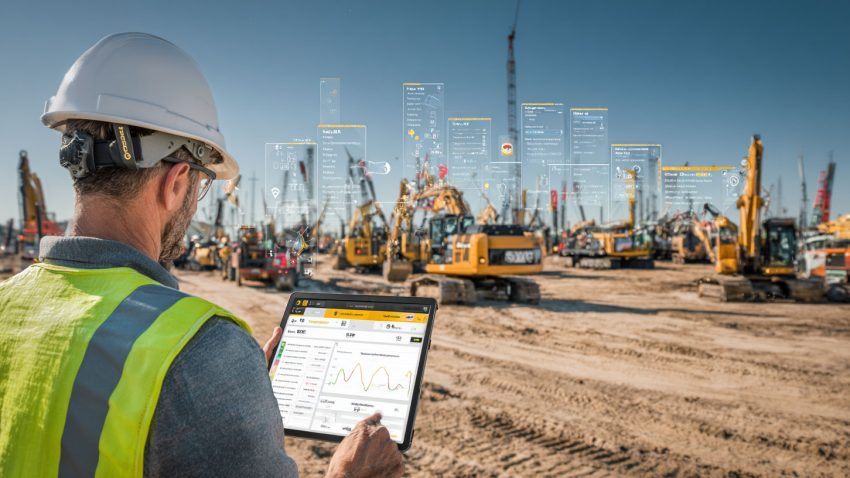
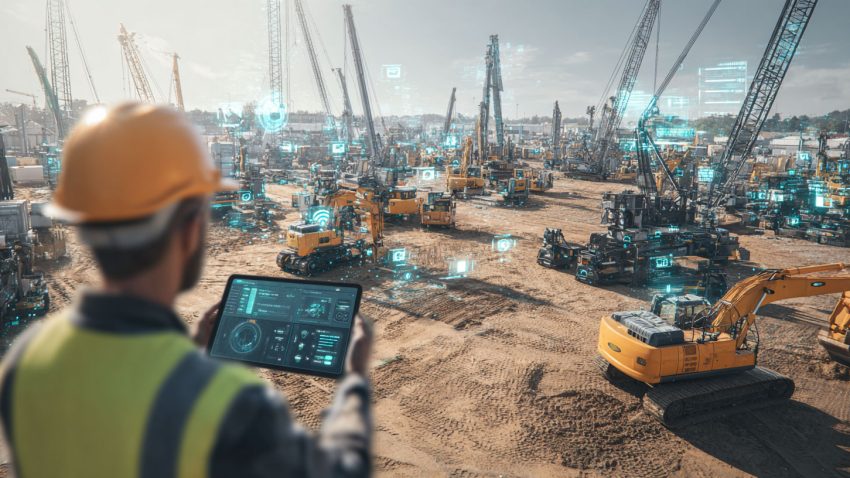
Missing equipment has become one of the most expensive and disruptive problems on construction sites. Tools disappear between shifts, machinery gets misplaced after being moved across work zones, and in many regions theft is increasing steadily. These losses add up quickly, not only in replacement costs but in lost productivity, delayed work, and frustrated crews who cannot start tasks on time. For superintendents, the impact is felt immediately. A missing saw, generator, or lift can halt entire sections of work and create ripple effects across the schedule.
Traditional tracking methods, such as spreadsheets or sign-out boards, can no longer keep up with the pace and mobility of modern jobsites. Crews move quickly, equipment travels across multiple zones, and dozens of subcontractors may interact with the same tools daily. Without real-time oversight, it is almost impossible to know where equipment is, who used it last, or whether it was returned to the right location.
Smart equipment tracking software is solving this problem by giving superintendents continuous visibility into every tool and asset. Through GPS tracking, mobile scanning, geofencing, and automated alerts, these systems help prevent theft, reduce loss, and keep crews fully equipped. In this guide, we explore how missing equipment drains project budgets, why theft continues to rise, and how smart tracking software keeps jobsite productivity high while protecting valuable resources.
Missing Equipment Is More Expensive Than Most Contractors Realize
The cost of missing equipment is often underestimated because many losses appear too small to report. A $200 drill, a $150 laser level, or a $300 saw might seem insignificant on paper, but when these losses stack up across crews and job phases, they can result in thousands of dollars in unplanned costs every month. Larger items, such as generators, compactors, and temporary lighting, can cost thousands more to replace.
The financial impact is only part of the equation. Missing equipment creates workflow roadblocks that slow down progress. When crews cannot find what they need, superintendents must reassign tasks, delay phases, or request additional rentals. This loss of momentum adds labor hours, increases project costs, and frustrates both workers and leadership.
Many contractors also overlook the administrative workload required to investigate equipment loss. Time spent searching, asking crews for updates, and reconciling inconsistent logs takes superintendents away from higher-value tasks. Without a reliable system, missing equipment becomes a recurring issue rather than a rare problem.
Top Benefits
- Makes equipment loss visible so costs can be controlled
- Reduces unnecessary rentals due to misplaced or missing tools
- Helps superintendents keep project schedules moving without interruption
Best Practices
- Track all tools, not just high-value assets
- Review loss reports monthly to identify recurring patterns
- Implement clear return and storage procedures for every crew
Q&A Mini Section
Q: Why do small equipment losses add up so quickly?
A: Because the volume of tools moving daily creates frequent opportunities for misplacement across crews.
Q: Are missing tools typically stolen?
A: Often they are simply misplaced or borrowed without documentation, but both create similar productivity issues.
Q: Can tracking software reduce replacement costs?
A: Yes. By increasing accountability and visibility, far fewer tools go missing.
Missing equipment affects far more than the budget. It disrupts workflow, hurts productivity, and creates unnecessary stress for both crews and leadership.
Related Articles:
Theft Is Rising Across Construction Sites, and Smart Tracking Tools Are Now Essential
Jobsite theft is increasing nationwide due to rising equipment values, easy resale markets, and limited onsite security. Many thieves target construction sites after hours, knowing that untracked or poorly secured equipment is difficult to trace. Smaller tools are especially vulnerable because they can be carried off-site unnoticed, while larger equipment may be transported using trucks that appear legitimate.
Smart equipment tracking software provides a powerful defense. Geofencing technology alerts superintendents instantly when equipment leaves a designated area. GPS trackers show the exact path a stolen machine takes, helping teams recover assets quickly. Motion-based alerts notify project leaders if high-value equipment is moved when it should not be, such as after hours or during low-activity periods.
The presence of digital tracking alone significantly reduces theft. When crews and outsiders know equipment is monitored in real time, theft attempts drop sharply. Combined with automated alerts and detailed movement history, these tools help superintendents protect equipment and maintain trust across the jobsite.
Top Benefits
- Sends instant alerts if equipment leaves safe zones or is moved suspiciously
- Supports fast recovery of stolen tools and machinery
- Reduces theft attempts through visible tracking and accountability
Best Practices
- Set geofencing boundaries around storage areas and staging zones
- Enable after-hours alerts for high-value equipment
- Use GPS trackers on machinery and Bluetooth tags on smaller tools
Q&A Mini Section
Q: Does tracking software actually help recover stolen equipment?
A: Yes. Real-time GPS and movement logs often assist law enforcement in quick retrieval.
Q: Can tracking deter internal theft or misuse?
A: Absolutely. When equipment is monitored, misuse and unauthorized borrowing drop dramatically.
Q: Is theft more common on large sites?
A: Larger or multi-crew projects typically face higher risk because equipment changes hands frequently.
Smart anti-theft tracking transforms security from reactive to proactive, keeping valuable equipment protected around the clock.
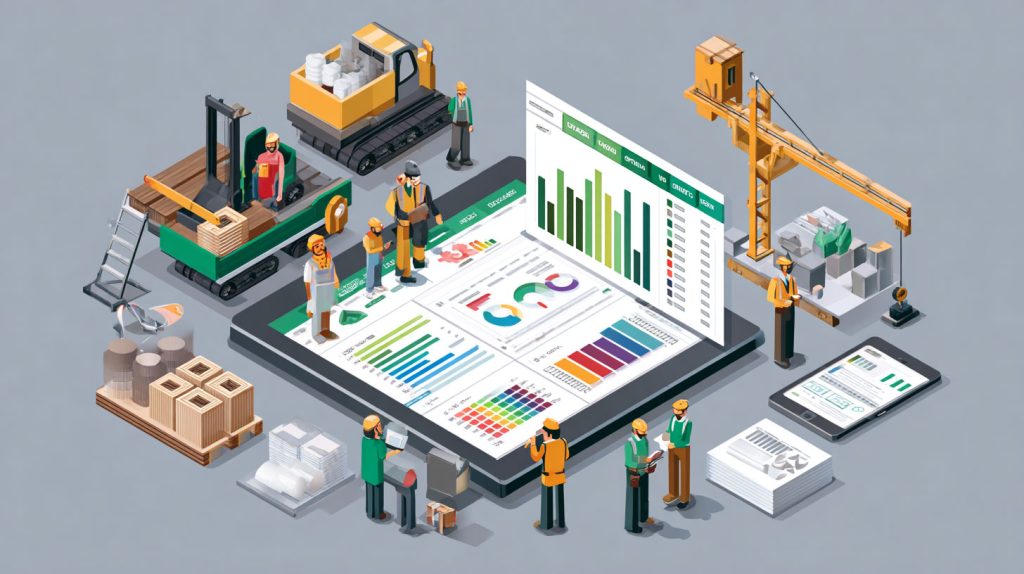
Tool Accountability Keeps Crews Productive and Eliminates Daily Delays
One of the most overlooked impacts of missing equipment is lost crew productivity. Even when tools are not stolen, simple misplacement can cause cascading delays. Crews often lose 10 to 30 minutes searching for a tool that should have been returned to the correct location. Across multiple crews, these small delays accumulate into hours of lost productivity each week.
Smart tracking software removes this friction by creating a complete, transparent record of tool movement. Every tool check-out and return is logged with a quick mobile scan. Foremen can confirm equipment inventory before and after each shift, ensuring nothing goes missing between activities. Superintendents gain visibility into which teams use which tools and can quickly identify where missing items were last scanned.
This clarity eliminates tool hunting, improves trust between trades, and allows crews to start work immediately without waiting for replacements or searching through storage areas. Over time, these small gains create significant productivity improvements across the entire jobsite.
Top Benefits
- Eliminates lost time crews spend searching for tools
- Strengthens accountability with digital check-in and check-out
- Improves workflow predictability across all trades
Best Practices
- Require every crew to scan tools at the start and end of each shift
- Assign storage zones and verify returns through mobile checklists
- Review tool usage logs weekly to identify problem areas
Q&A Mini Section
Q: Does digital tool tracking slow crews down?
A: No. Scanning takes seconds and prevents much larger delays from missing tools.
Q: Can small tools be tracked effectively?
A: Yes. Bluetooth or QR tags work extremely well for handheld items.
Q: Do check-out systems work across multiple subcontractors?
A: Yes. Access can be role-based so each crew logs only what they use.
Tool accountability creates a predictable jobsite where crews always have what they need and superintendents stay in control of equipment availability.

Automation Eliminates the Busywork That Causes Delays
One of the biggest hidden costs on any jobsite is the time superintendents and foremen spend on manual equipment tracking. Updating spreadsheets, verifying handwritten logs, calling crew leads for tool locations, or reconciling missing items at the end of the day all consume hours that should be spent leading the field. Smart tracking software solves this with automation that keeps equipment data accurate without requiring constant attention.
As soon as a tool or machine is checked out, returned, moved, or serviced, the system updates automatically. Automated reminders notify superintendents when an item has not been returned to its assigned zone. Maintenance alerts are triggered when equipment reaches a usage threshold. After-hours movement notifications help detect unauthorized activity before a loss occurs.
This automation keeps jobsite operations flowing smoothly. Instead of losing time hunting for tools or updating records, superintendents can focus on coordination, sequencing, inspections, and problem-solving. Automation also ensures far fewer mistakes because the system captures every detail consistently.
Top Benefits
- Keeps equipment logs accurate without manual entry
- Prevents missed returns, service delays, and unauthorized movement
- Frees up valuable time for superintendents and foremen
Best Practices
- Automate all check-in and check-out workflows for every crew
- Set usage thresholds for automatic maintenance reminders
- Enable alerts for after-hours movement or incomplete returns
Q&A Mini Section
Q: Does automation help reduce disputes between crews?
A: Yes. Automated logs show exactly who used which tools and when, eliminating guesswork.
Q: Can automation handle both tools and heavy equipment?
A: Yes. Most systems automate activity for assets of all sizes.
Q: Does automation require internet access?
A: Not always. Many platforms store data offline and sync automatically when reconnected.
Automation removes tedious admin work and replaces it with a system that updates itself, keeping crews focused and equipment accounted for.

Related Articles:
Why Heavy Equipment Delivery Delays Happen and How Equipment Tracking Software Fixes the Problem
Communication Tools Improve Collaboration and Reduce Equipment-Related Delays
Clear communication is essential for preventing equipment loss and maintaining productivity. When multiple crews work together, misunderstandings about tool ownership, equipment location, or maintenance needs can cause friction and delays. Modern tracking platforms include built-in communication tools that connect everyone through one shared system.
Instead of scattered text messages or verbal updates, teams can document equipment activity directly in the platform. Operators upload photos of damaged equipment, foremen can request additional tools in real time, and mechanics can confirm completion of repairs instantly. The system timestamps every action and notifies the right people automatically.
This real-time communication ensures that equipment issues are addressed quickly. It also provides a clear audit trail that helps resolve disputes, track safety concerns, and maintain accountability across crews and subcontractors. With everyone connected through one communication hub, jobsite operations become more predictable and efficient.
Top Benefits
- Reduces delays by making equipment communication immediate and centralized
- Provides a digital history of equipment usage and reported issues
- Simplifies collaboration between field teams, mechanics, and suppliers
Best Practices
- Use in-platform comments for all equipment-related requests and updates
- Encourage operators to submit photos whenever they report malfunctioning equipment
- Review communication logs during weekly planning or safety meetings
Q&A Mini Section
Q: Does centralized communication create more work for field crews?
A: No. It speeds up coordination and removes the need for lengthy conversations or manual notes.
Q: Can subcontractors use the same communication tools?
A: Yes. Superintendents can assign role-based access to each trade.
Q: Does this help with safety compliance?
A: Absolutely. Equipment issues are documented instantly, helping teams address hazards faster.
Integrated communication tools keep everyone aligned and eliminate the confusion that often leads to equipment delays or loss.
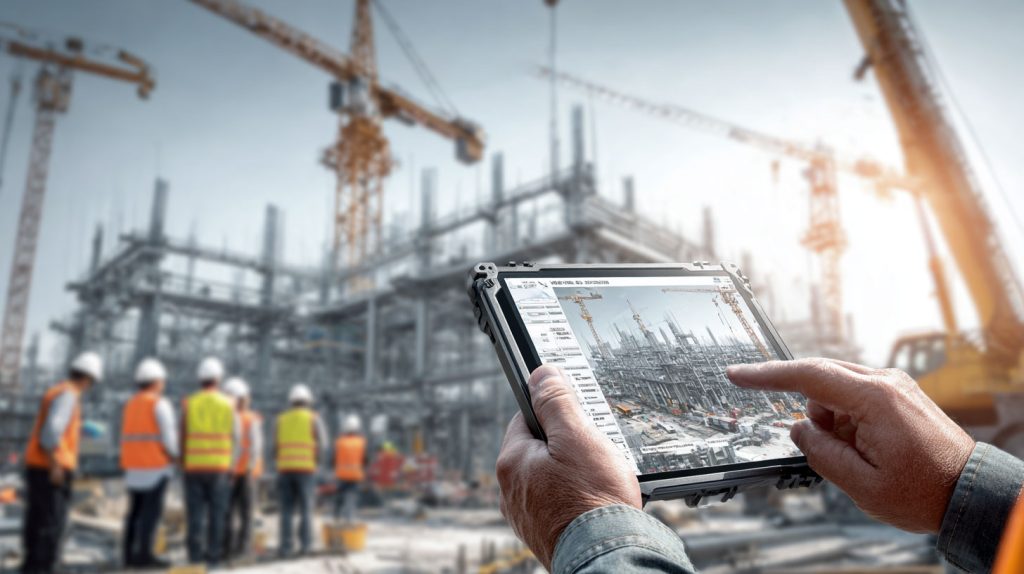
StruxHub: Revolutionizing Project Management in Large Commercial Construction
Predictive Analytics Give Superintendents Early Warning Against Loss, Breakdowns, and Bottlenecks
Predictive analytics are becoming one of the most important tools for modern equipment management. Instead of looking only at current status, predictive systems analyze historical trends, usage patterns, operator habits, and maintenance data to flag upcoming issues before they impact the schedule.
For example, analytics can identify tools that frequently go missing between shifts, highlight equipment that is underused or overbooked, and reveal which items are at risk of failure based on real performance data. These insights help superintendents allocate resources proactively, plan maintenance before breakdowns occur, and prevent the bottlenecks that slow down crews.
Predictive analytics also help reduce theft by recognizing unusual movement patterns. If equipment begins leaving the jobsite too frequently or at unexpected hours, the system alerts leadership right away. This early warning system protects valuable assets and gives superintendents the time they need to respond effectively.
Top Benefits
- Identifies early warning signs for equipment loss or misuse
- Predicts maintenance needs that could lead to downtime
- Highlights inefficiencies that slow down productivity
Best Practices
- Review system insights weekly to adjust crew allocations
- Compare predicted maintenance needs with actual performance to improve accuracy
- Use predictive movement data to adjust geofencing and security protocols
Q&A Mini Section
Q: How accurate are predictive alerts for theft or misuse?
A: Accuracy improves over time as the system collects more movement and usage data.
Q: Can predictive analytics reduce equipment rental costs?
A: Yes. They show when assets are underused, preventing unnecessary rental spending.
Q: Do predictive systems help with scheduling?
A: Absolutely. They give superintendents a reliable view of equipment availability for upcoming phases.
Predictive analytics give superintendents the power to stay ahead of loss, breakdowns, and disruption with data-informed confidence.

StruxHub
Experience the power of StruxHub today and witness firsthand how it can revolutionize your construction operations.
How StruxHub Helps Superintendents Reduce Loss, Prevent Theft, and Improve Productivity
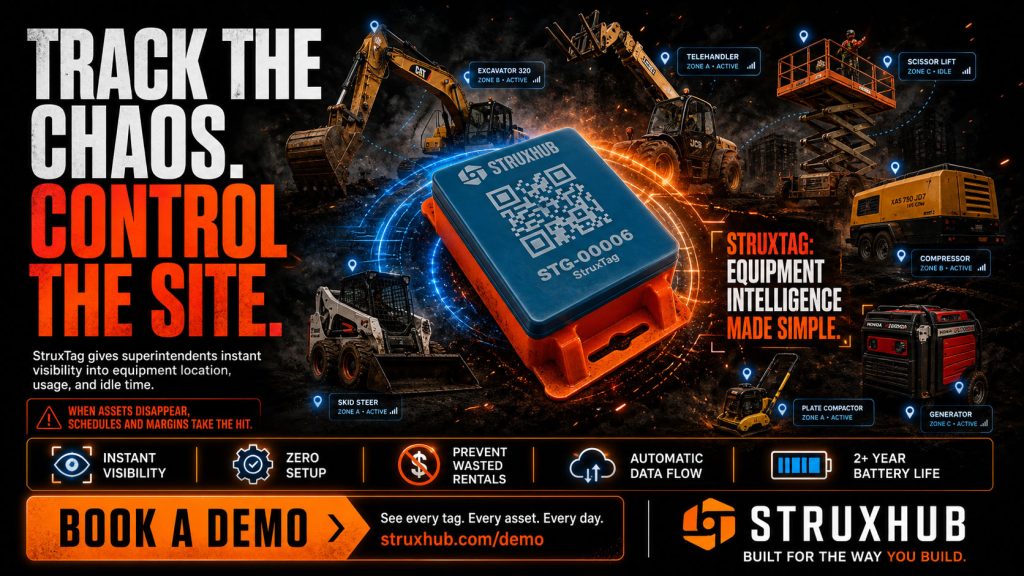
StruxHub brings all the essential equipment tracking features into one unified platform that supports superintendents, field managers, mechanics, and suppliers. With real-time location tracking, automated logs, predictive analytics, and integrated communication tools, StruxHub gives teams full control of their equipment fleet from start to finish.
The platform helps prevent theft with geofencing, after-hours alerts, and precise movement history. Mobile scanning ensures tools are accounted for at every step, reducing the likelihood of misplaced or unreturned items. Predictive insights highlight underused equipment, identify tools at risk of going missing, and flag upcoming maintenance needs before they disrupt schedules.
StruxHub also integrates equipment data directly into schedules, daily reports, and procurement workflows, eliminating blind spots and improving coordination across all jobsite activities. From reducing theft to improving productivity, StruxHub strengthens every part of the equipment lifecycle.
Top Benefits
- Real-time tracking reduces theft and missing tools
- Automated updates eliminate manual administration
- Predictive insights keep schedules stable and productive
Best Practices
- Enable geofencing alerts for high-risk equipment zones
- Review StruxHub dashboards each morning for early warnings
- Use mobile scanning to reinforce accountability across all crews
Q&A Mini Section
Q: How does StruxHub help superintendents reduce daily equipment loss?
A: It provides instant tracking, automated alerts, and full visibility into where every tool and machine is located.
Q: Can StruxHub support large multi-site operations?
A: Yes. The system scales effortlessly across multiple job locations.
Q: Does StruxHub work with existing scheduling or procurement tools?
A: Absolutely. It integrates with other construction software for a complete operational workflow.
StruxHub helps superintendents take control of equipment loss, improve productivity, and lead more organized, efficient jobsites.
FAQ: Missing Equipment, Theft Prevention, and Smart Tracking for Jobsite Productivity
1. Why is missing equipment such a costly problem for construction companies?
Missing equipment creates both direct and indirect expenses that add up quickly. The direct cost comes from replacing lost tools, renting temporary equipment, or purchasing duplicates that were not part of the original budget. These costs increase even more for items that go missing repeatedly across large crews or fast-moving phases. The indirect cost is often much greater. When crews cannot find a tool, progress slows or stops entirely, forcing superintendents to reshuffle tasks or reassign labor. These delays reduce productivity, increase overtime, and impact overall project timelines. Missing equipment also requires hours of administrative work as superintendents search for items, question crews, reconcile logs, and investigate loss patterns. Over the course of a project, this lost time can drastically affect cost and performance. Smart tracking software eliminates these drains by providing real-time visibility, digital accountability, and automated logs that keep equipment exactly where it should be.
2. How does smart tracking software help prevent theft on construction sites?
Construction sites are vulnerable to theft because they often contain valuable equipment stored outdoors, shared between crews, or left unattended during breaks or after hours. Smart tracking software adds a strong protective layer by offering real-time location monitoring, geofencing, and automated alerts. If a machine or tool moves outside a designated zone, leadership is notified immediately. These alerts allow superintendents to respond right away, verify whether the movement was authorized, and take action before the equipment disappears. Tracking software also records the full movement history of each asset, which helps in investigations and improves recovery rates when theft occurs. The presence of tracking devices alone is often enough to deter both internal and external theft because crews know equipment is monitored. When combined with access logs and secure communication features, smart tracking software dramatically reduces theft-related losses.
3. How does tracking software reduce the number of missing tools between crews?
Most missing equipment is not stolen. It is misplaced, borrowed informally, or left behind during fast-paced transitions between tasks. Smart tracking software solves this problem by requiring simple, fast check-ins and check-outs using mobile scanning. Each tool has a unique digital identity, and every interaction is logged with a timestamp and user name. This creates a clear chain of custody for every asset. When a crew finishes a shift, foremen can verify the return of each tool using digital checklists. If an item is missing, the system shows exactly where it was last scanned, which crew last used it, and where it should be located. This transparency eliminates finger-pointing and helps superintendents recover tools quickly. Over time, digital accountability encourages better tool discipline across all trades, significantly reducing recurring losses.
4. How does real-time equipment visibility improve jobsite productivity?
Real-time visibility allows superintendents to make fast, accurate decisions without searching for equipment or relying on incomplete information. When tools and machinery are tracked continuously, crews always know what is available, where it is located, and whether it is in working condition. This eliminates wasted time spent searching for items, borrowing untracked tools, or waiting for equipment to free up. If equipment sits idle in one zone, superintendents can reassign it to another crew immediately. Real-time visibility also improves scheduling because equipment availability is always current, reducing conflicts and bottlenecks. When combined with automated maintenance alerts, tracking software ensures that equipment stays in working order and does not cause unplanned downtime. Together, these features help superintendents keep projects moving smoothly and maintain consistent productivity throughout the day.
5. How does StruxHub help construction teams reduce equipment loss and improve productivity?
StruxHub offers a complete equipment tracking ecosystem built for superintendents who need accurate, real-time insight across multiple crews and project phases. The platform uses mobile scanning, location tracking, automated alerts, and predictive analytics to keep tools and machinery visible and secure. Geofencing flags unauthorized movement, while automated logs create a clean history of every interaction. Predictive insights identify equipment that is at risk of being lost, underused, or due for maintenance soon. Mobile tools allow crews to check in and check out equipment in seconds, reducing mistakes and speeding up daily workflows. StruxHub also integrates equipment data into scheduling and daily reporting tools, giving superintendents a single source of truth for planning and coordination. With fewer missing tools, reduced theft, and clearer communication, StruxHub helps teams stay productive, safe, and fully aligned.
True operational excellence on a jobsite is achieved when technology and human coordination work in perfect sync. Utilizing a top construction equipment tracking system provides the visibility needed to make data-driven decisions, but staying ahead of the curve also means keeping a pulse on the latest regulatory updates and technological benchmarks. To help your team maintain a competitive edge, explore these top-ranked industry resources
- OSHA Safety and Health Programs
- National BIM Standard – United States
- EPA Sustainable Management of Materials
- FAA Drone Regulations for Construction
- USACE Safety and Occupational Health