Best Guide to Construction Equipment Tracking: How AI and Emerging Technology Is Changing Construction Sites and the Role of Superintendents
Table of Contents:
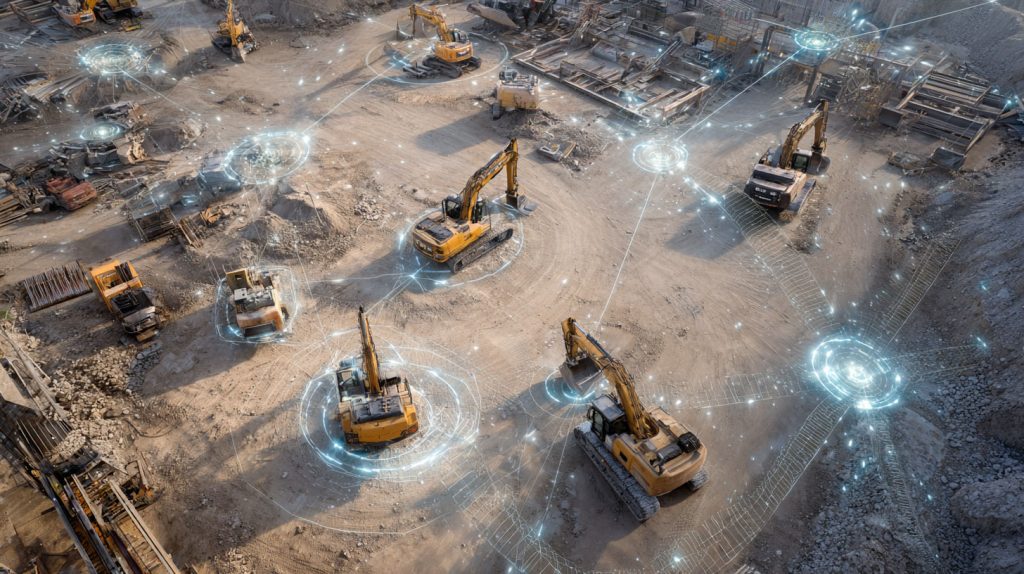
Construction has always relied on equipment — from cranes and excavators to generators and specialized tools — to keep projects moving. But as jobsites become larger, faster, and more connected, tracking and managing equipment has turned into one of a superintendent’s most complex responsibilities. Lost tools, underused machinery, and unplanned downtime can quickly derail a project schedule and drive up costs.
Enter the next generation of construction equipment tracking systems, powered by artificial intelligence, IoT sensors, and real-time analytics. These technologies provide superintendents with live insights into where equipment is located, how it’s being used, and when it needs maintenance or reassignment. Instead of relying on manual logs or guesswork, teams now have accurate, automated data that helps them plan ahead and prevent problems before they occur.
In this guide, we’ll explore how AI and emerging technologies are revolutionizing construction equipment management. You’ll learn how these tools improve efficiency, enhance communication, and redefine the superintendent’s role from reactive coordinator to proactive, data-driven leader.
Smarter Equipment Tracking Systems Are Replacing Manual Methods
For years, most construction teams tracked equipment with spreadsheets, handwritten notes, or basic check-in systems. Those manual methods often led to inefficiency and confusion. When multiple crews shared the same tools or heavy machinery, items would disappear, sit idle, or require unexpected servicing that no one had planned for.
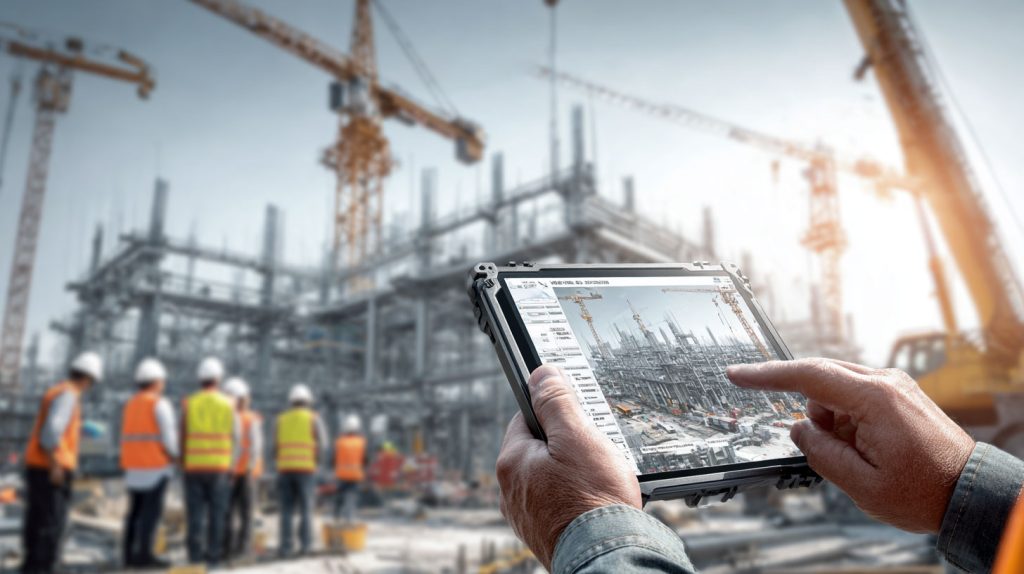
Modern equipment tracking systems solve those problems by using GPS, RFID tags, and cloud connectivity to update locations and usage data automatically. Every asset can be scanned, monitored, and assigned digitally. Superintendents can log in from their phones or tablets to see what’s available, what’s being used, and what needs attention. These updates happen in real time, removing the guesswork that used to slow down projects.
By connecting the field and office through a shared platform, equipment tracking software gives teams complete visibility over resource allocation. The result is reduced downtime, fewer lost tools, and more consistent productivity across the jobsite.
Top Benefits
- Replaces paper logs and spreadsheets with live digital tracking
- Prevents equipment loss and underutilization through real-time visibility
- Improves scheduling and resource allocation accuracy
Best Practices
- Use QR codes or RFID tags to assign and locate every major asset
- Review equipment dashboards daily to ensure accurate utilization data
- Link equipment tracking to project scheduling for seamless coordination
Q&A Mini Section
Q: What kind of equipment can be tracked with modern systems?
A: Everything from small power tools to heavy machinery can be monitored using tags or sensors.
Q: Can these systems track equipment across multiple sites?
A: Yes. Cloud-based tracking allows superintendents to monitor assets across all active locations.
Q: How does real-time tracking save time for superintendents?
A: It eliminates manual reporting and ensures instant visibility into resource availability.
Smarter equipment tracking turns inventory management from a manual chore into a real-time operational advantage.
AI and IoT Sensors Are Transforming Equipment Visibility
Artificial intelligence and the Internet of Things (IoT) are taking equipment tracking beyond simple location monitoring. AI now analyzes data collected from sensors to detect patterns in equipment usage, fuel consumption, and maintenance needs. IoT devices send this data continuously to centralized dashboards, giving superintendents a complete overview of how their fleet performs.
For instance, if a machine starts consuming more fuel than usual or running longer hours, AI can flag it for inspection before a breakdown occurs. Predictive maintenance like this prevents costly downtime and extends equipment life. These systems also help with scheduling by suggesting when machines can be rotated or shared among crews based on usage data.
This integration of AI and IoT turns equipment tracking into a source of operational intelligence. Instead of reacting to problems, superintendents can manage their resources proactively, improving both performance and profitability.
Top Benefits
- Uses predictive maintenance to prevent costly equipment failures
- Improves fuel efficiency and reduces idle time through smart analytics
- Provides detailed usage insights that support better scheduling decisions
Best Practices
- Equip high-value machinery with IoT sensors for continuous monitoring
- Review AI-generated maintenance alerts before assigning equipment
- Track performance metrics such as run time, idle time, and fuel use
Q&A Mini Section
Q: How does AI help prevent equipment downtime?
A: It analyzes real-time performance data to detect potential failures before they happen.
Q: Can IoT devices be retrofitted to older machinery?
A: Yes. Many sensors are compatible with both new and existing equipment.
Q: Does this technology work offsite or in remote projects?
A: Absolutely. Cloud-based systems sync data as soon as a connection is available.
AI and IoT work together to create an intelligent feedback loop, helping superintendents manage assets more efficiently while reducing the risk of delays.
Real-Time Analytics Are Changing How Superintendents Manage Equipment
In the past, tracking how equipment performed or where it was used often meant waiting for end-of-week reports or manual updates from crew leads. Real-time analytics have changed that dynamic completely. Today, superintendents can view dashboards that show live data on equipment usage, maintenance status, and location — all in one place.
These analytics help superintendents identify trends that impact productivity. For example, they can see which machines are being overused, which ones sit idle too often, and where equipment sharing between trades could improve efficiency. By understanding how resources are distributed across the jobsite, leaders can make quick adjustments that keep projects running smoothly.
Real-time analytics also make reporting easier. Instead of compiling data manually, the software automatically generates insights that can be shared with management, suppliers, and safety teams. This improves transparency and builds accountability at every level.
Top Benefits
- Provides live usage and performance analytics for every piece of equipment
- Identifies inefficiencies to optimize equipment allocation
- Simplifies reporting through automated data collection and visualization
Best Practices
- Review analytics dashboards during daily huddles for immediate adjustments
- Share performance data with suppliers and maintenance crews for accuracy
- Use automated reports to track equipment productivity trends over time
Q&A Mini Section
Q: How do analytics help improve resource utilization?
A: They show exactly which assets are underused or overused, allowing superintendents to redistribute resources effectively.
Q: Can analytics help with future project planning?
A: Yes. Historical data from completed jobs can guide procurement and logistics for future projects.
Q: Are analytics dashboards customizable?
A: Most platforms allow users to personalize reports based on project type and team role.
With real-time analytics, equipment tracking becomes a strategic tool for better planning, stronger performance, and greater accountability across construction teams.

Automation Is Simplifying Equipment Management and Reducing Delays
In the modern construction landscape, automation is becoming the silent engine behind efficient equipment tracking. Instead of requiring manual updates or data entry, automated systems record every activity the moment it happens. When equipment is checked out, returned, serviced, or relocated, the system updates itself automatically. Superintendents no longer need to rely on paperwork or wait for end-of-day reports to understand what is available and where it is located.
Automation also supports preventive maintenance schedules. When a machine reaches a specific usage threshold or mileage, the system automatically generates a maintenance request or alert. This keeps fleets running smoothly and prevents breakdowns that can disrupt schedules. Some systems even integrate with project management software, automatically adjusting timelines if key equipment becomes unavailable due to servicing.
By removing repetitive manual tasks, automation helps superintendents stay focused on decision-making instead of data entry. It ensures that no asset goes missing, no maintenance task is forgotten, and no project falls behind due to equipment downtime.
Top Benefits
- Automatically updates equipment logs and maintenance schedules
- Reduces the administrative burden of manual tracking
- Keeps projects running smoothly by preventing unplanned equipment outages
Best Practices
- Automate maintenance alerts for high-usage machinery
- Use automation logs to verify check-in and check-out activity
- Integrate automation with scheduling tools for live equipment availability updates
Q&A Mini Section
Q: How does automation prevent equipment downtime?
A: It automatically schedules maintenance and ensures machines are serviced before issues arise.
Q: Can automation handle multiple users across different projects?
A: Yes. It updates equipment status across all connected job sites in real time.
Q: What is the biggest advantage of automation for superintendents?
A: It eliminates repetitive data entry and allows leaders to focus on field coordination and strategy.
Automation creates a dependable workflow where equipment management happens automatically, ensuring nothing slips through the cracks.
StruxHub
Experience the power of StruxHub today and witness firsthand how it can revolutionize your construction operations.
Predictive Insights Are Shaping the Future of Equipment Utilization
Predictive insights are turning equipment tracking from a simple monitoring task into a forward-looking planning tool. Using machine learning algorithms, these systems evaluate data from sensors, usage logs, and environmental factors to predict when a machine will need maintenance, fuel, or reassignment.
For example, predictive tools can detect that a certain crane is approaching a maintenance interval based on vibration data, or that a compressor’s performance is declining faster than usual. The system then alerts the superintendent before a breakdown occurs. These insights help plan servicing during non-critical work hours, minimizing downtime and preventing costly interruptions.
Predictive analytics also optimize utilization rates. By identifying underused assets, teams can reassign or lease equipment more effectively. This data-driven approach allows superintendents to maintain high productivity while controlling costs across large or multi-phase projects.
Top Benefits
- Predicts mechanical issues before failures occur
- Improves utilization rates and resource efficiency
- Reduces unplanned maintenance costs and delays
Best Practices
- Regularly review predictive maintenance reports to schedule servicing early
- Rotate equipment based on performance trends and upcoming workload
- Use data insights to inform long-term fleet purchasing or rental decisions
Q&A Mini Section
Q: How reliable are predictive maintenance alerts?
A: They are highly accurate and improve as the system collects more operational data.
Q: Can predictive insights extend equipment lifespan?
A: Yes. Preventive servicing based on data helps reduce wear and tear over time.
Q: Do these systems require specialized sensors?
A: Most platforms work with standard IoT sensors that can be easily installed on existing machines.
Predictive insights give superintendents an intelligent early warning system, helping them make proactive decisions that prevent downtime and improve long-term planning.
Communication Tools Are Connecting Field Crews and Equipment Data
Smart equipment management is not only about technology but also about communication. New tracking platforms combine asset data with real-time communication tools that keep field crews, office teams, and suppliers aligned. When a piece of equipment is moved, damaged, or due for servicing, the system automatically notifies the right people to take action immediately.
Superintendents can assign maintenance tasks, verify repairs, and approve equipment transfers directly within the platform. Foremen and operators can upload photos or notes to document the condition of a machine or flag issues before they escalate. This shared visibility reduces misunderstandings and ensures accountability across all project levels.
These communication tools also create a digital record of every update, giving teams a clear history of how and when each machine was used. This level of transparency helps avoid disputes, simplifies audits, and builds trust between field crews and management.
Top Benefits
- Unites field and office teams with instant communication features
- Improves accountability with timestamped equipment logs
- Reduces response time for maintenance or reassignment decisions
Best Practices
- Encourage field crews to upload photos when reporting equipment status
- Tag relevant team members in maintenance requests or activity logs
- Review communication histories to confirm issue resolution timelines
Q&A Mini Section
Q: How do communication tools improve project coordination?
A: They deliver instant updates and ensure that everyone receives the same information simultaneously.
Q: Can these tools replace radio or text communication on-site?
A: Yes. They centralize updates within the platform, ensuring a traceable record of all communication.
Q: Do communication logs help with compliance reporting?
A: Absolutely. They provide a digital history that verifies maintenance, inspections, and safety actions.
Communication tools close the gap between teams and technology, making equipment management faster, clearer, and more collaborative.
StruxHub: Revolutionizing Project Management in Large Commercial Construction
How StruxHub Is Helping Superintendents Lead Smarter Equipment Management
StruxHub brings together automation, analytics, and AI to create a complete ecosystem for equipment management. Designed with superintendents in mind, the platform connects real-time equipment data with project schedules, helping teams reduce downtime and improve utilization.
Through automation, StruxHub tracks equipment movement, logs usage data, and generates maintenance alerts without manual effort. AI analytics analyze trends in performance and predict when a machine will require servicing or replacement. Mobile access allows crews to scan, report, and verify assets directly in the field, syncing updates across all users instantly.
The platform also enhances communication between teams and suppliers. When a maintenance issue arises, StruxHub automatically notifies the appropriate personnel, assigns tasks, and updates the activity log. For superintendents, this means complete visibility and control over every piece of equipment on-site.
Top Benefits
- Automates equipment tracking and maintenance scheduling
- Uses AI analytics to predict and prevent downtime
- Enhances communication and accountability across the project team
Best Practices
- Activate predictive analytics to identify maintenance needs before they disrupt schedules
- Use mobile tools to document equipment status and inspections in real time
- Review StruxHub’s dashboards weekly to track asset performance and utilization rates
Q&A Mini Section
Q: How does StruxHub prevent equipment-related project delays?
A: It predicts maintenance needs, automates scheduling, and ensures instant communication between all teams.
Q: Can StruxHub integrate with existing inventory or scheduling software?
A: Yes. It connects seamlessly with other project management platforms for unified operations.
Q: Why is StruxHub ideal for superintendents?
A: It provides a central command center for managing equipment, schedules, and communication, all from one intuitive interface.
StruxHub gives superintendents the tools to manage their fleets proactively and confidently, ensuring that every machine contributes to a faster, more reliable construction workflow.
FAQ: Construction Equipment Tracking, AI, and the Future of Jobsite Management
1. What is construction equipment tracking, and why is it essential for modern superintendents?
Construction equipment tracking refers to using digital tools such as GPS, RFID tags, and IoT sensors to monitor the location, usage, and condition of every asset on-site. For superintendents, it ensures visibility across all machinery and tools, helping prevent loss, downtime, and miscommunication. Tracking also provides real-time data about utilization rates and maintenance needs. This information helps leaders make informed scheduling and purchasing decisions. As projects become more complex, equipment tracking has evolved from a convenience into a necessity for maintaining efficiency and accountability across teams and job sites.
2. How does artificial intelligence improve equipment tracking and utilization?
AI adds predictive intelligence to equipment tracking systems by analyzing performance data, usage trends, and environmental factors. It learns from previous projects and uses that information to forecast maintenance needs, identify underused assets, and recommend resource adjustments. For example, AI can alert a superintendent that a piece of machinery is approaching a maintenance interval or that certain equipment is being underutilized and can be reassigned. By turning raw data into actionable insights, AI helps prevent downtime, optimize scheduling, and extend equipment lifespan—all of which directly improve project efficiency and reduce costs.
StruxHub
Discover how StruxHub can revolutionize your construction management. Contact us today!
3. How does automation simplify day-to-day equipment management?
Automation eliminates the repetitive tasks that traditionally consumed hours of administrative work. It automatically logs check-ins and check-outs, updates inventory lists, and generates reports without human input. When combined with AI, automation also schedules maintenance and sends alerts when certain conditions are met, such as mileage thresholds or unusual equipment behavior. Superintendents benefit from immediate visibility and faster decision-making while ensuring that nothing falls through the cracks. Automated systems also improve record accuracy, making audits, compliance checks, and budget reviews far easier to manage.
4. What role do real-time analytics and communication tools play in improving collaboration?
Real-time analytics and communication tools connect every department of a project—from the field to the office to the supplier network. Analytics display live data on equipment performance, allowing teams to respond quickly to delays or inefficiencies. Communication features, such as in-platform messaging and notifications, ensure that updates reach everyone simultaneously. This integration prevents bottlenecks and eliminates the confusion that often comes from relying on separate communication channels. For superintendents, these tools create a more synchronized workflow where information flows freely and every action is backed by data.
5. How does StruxHub help superintendents manage construction equipment more efficiently?
StruxHub’s equipment management platform integrates automation, AI analytics, and real-time communication into one user-friendly system. It automatically tracks equipment movement, logs performance data, and schedules maintenance before problems occur. Superintendents can monitor the entire fleet from a live dashboard accessible on desktop or mobile. Predictive analytics highlight potential issues, while automated alerts ensure that crews and suppliers stay coordinated. The platform’s communication tools keep everyone connected, reducing downtime and improving transparency. By combining data intelligence with practical field tools, StruxHub gives construction teams a reliable way to stay ahead of delays and manage assets efficiently.