Best Guide to Heavy Equipment Tracking: How Contractors Manage and Track Construction Fleets
Table of Contents:
What Is Heavy Equipment Tracking in Construction?
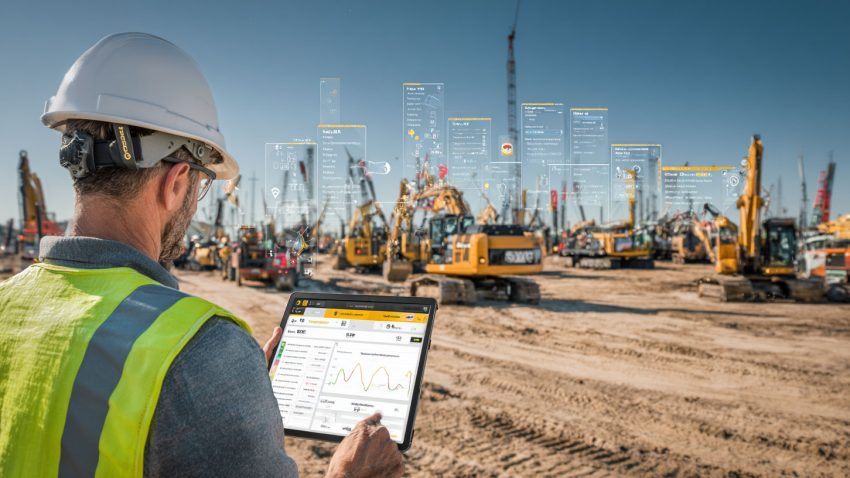
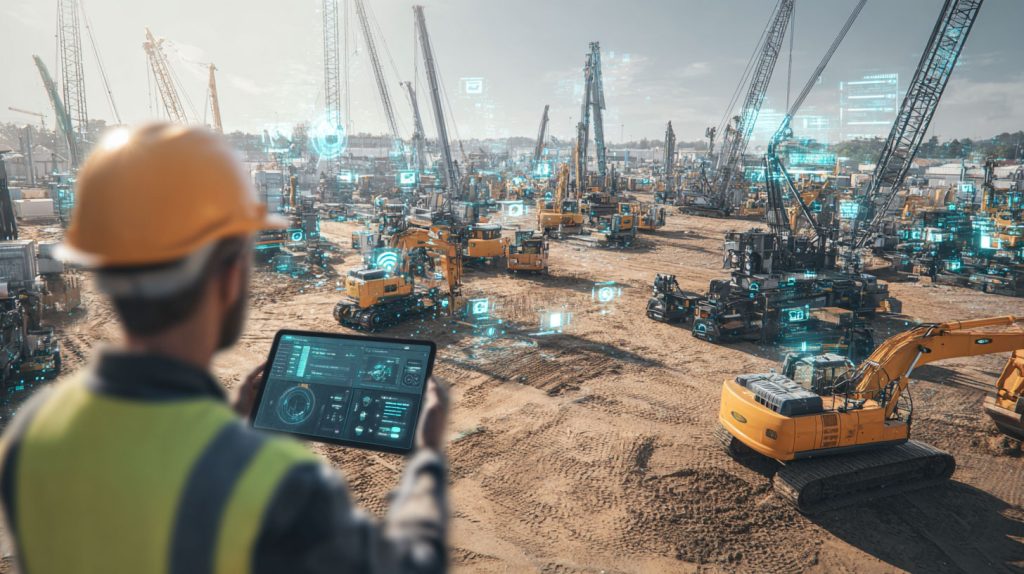
Heavy equipment tracking is the process of monitoring the location, usage, performance, and operational status of construction machinery across one or multiple jobsites. Contractors use technologies such as GPS tracking, telematics systems, IoT sensors, and AI-powered analytics to gain real-time visibility into their fleet operations.
In modern construction, equipment is one of the most expensive and mission-critical assets on a project. Excavators, cranes, loaders, skid steers, lifts, and generators constantly move between projects, staging yards, and subcontractor zones. Without proper tracking systems, contractors can lose visibility into utilization, maintenance schedules, idle time, and even equipment theft.
Heavy equipment tracking platforms help superintendents and operations teams understand:
- where equipment is located
- whether it’s actively being used
- how efficiently it’s operating
- when maintenance is required
- who is using it
- whether equipment is sitting idle
The rise of AI and telematics has transformed equipment tracking from simple GPS location monitoring into a complete operational intelligence system. Today’s systems collect engine diagnostics, fuel usage, operator behavior, runtime analytics, and maintenance alerts in real time.
For superintendents, this visibility improves planning and coordination dramatically. Instead of manually tracking assets through calls or spreadsheets, field teams can instantly verify fleet availability and allocate resources more efficiently.
Top Features
- GPS fleet tracking with live equipment location updates
- Telematics integration for engine and performance monitoring
- AI-powered utilization and maintenance analytics
Top Benefits
- Improves visibility into fleet operations across all jobsites
- Reduces wasted equipment time and unnecessary rentals
- Helps contractors manage equipment more efficiently and safely
Best Practices
- Track all major fleet assets through one centralized platform
- Monitor idle time and equipment utilization weekly
- Use telematics data to improve scheduling and maintenance planning
Q&A
Q: What is the difference between GPS tracking and telematics?
A: GPS tracks equipment location, while telematics collects operational data such as engine hours, fuel usage, and diagnostics.
Q: Why is heavy equipment tracking important for contractors?
A: It improves visibility, reduces downtime, and helps teams manage expensive fleet assets more efficiently.
Q: Can equipment tracking reduce operational costs?
A: Yes. Better utilization, maintenance scheduling, and theft prevention significantly reduce unnecessary costs.
Why Contractors Use GPS and Telematics to Track Construction Equipment
GPS and telematics systems have become essential tools for modern contractors because they provide real-time operational intelligence for construction fleets. Instead of relying on manual logs or phone calls, contractors can instantly see where equipment is located and how it’s performing.
GPS tracking improves logistics and equipment coordination across multiple jobsites. Superintendents can quickly identify which machines are available, where they’re deployed, and whether they’re being used productively. This reduces delays caused by misplaced or unavailable equipment.
Telematics takes visibility further by monitoring machine performance. Sensors installed on equipment collect data such as:
- engine runtime
- idle time
- fuel consumption
- fault codes
- operator behavior
- maintenance intervals
This information allows contractors to make smarter operational decisions. If a machine sits idle too long, teams can reassign it. If maintenance alerts appear, repairs can be scheduled before breakdowns occur.
For large projects, GPS and telematics also improve accountability. Equipment usage becomes measurable, making it easier to manage subcontractors, rental fleets, and project budgets.
Top Features
- Live GPS location tracking for equipment fleets
- Engine diagnostics and telematics monitoring
- Automated maintenance and utilization alerts
Top Benefits
- Improves equipment visibility across jobsites
- Reduces fuel waste and idle time
- Helps prevent unexpected equipment failures
Best Practices
- Review utilization reports weekly with operations teams
- Configure automated maintenance alerts for all major assets
- Monitor idle time to optimize fleet deployment
Q&A
Q: How does telematics improve fleet management?
A: It provides real-time performance data that helps contractors optimize usage and maintenance.
Q: Can GPS tracking prevent lost equipment?
A: Yes. GPS allows contractors to locate assets instantly and verify equipment movement.
Q: Is telematics useful for rented equipment too?
A: Absolutely. Contractors can track utilization and costs for both owned and rented machines.
How Heavy Equipment Tracking Improves Jobsite Productivity and Utilization
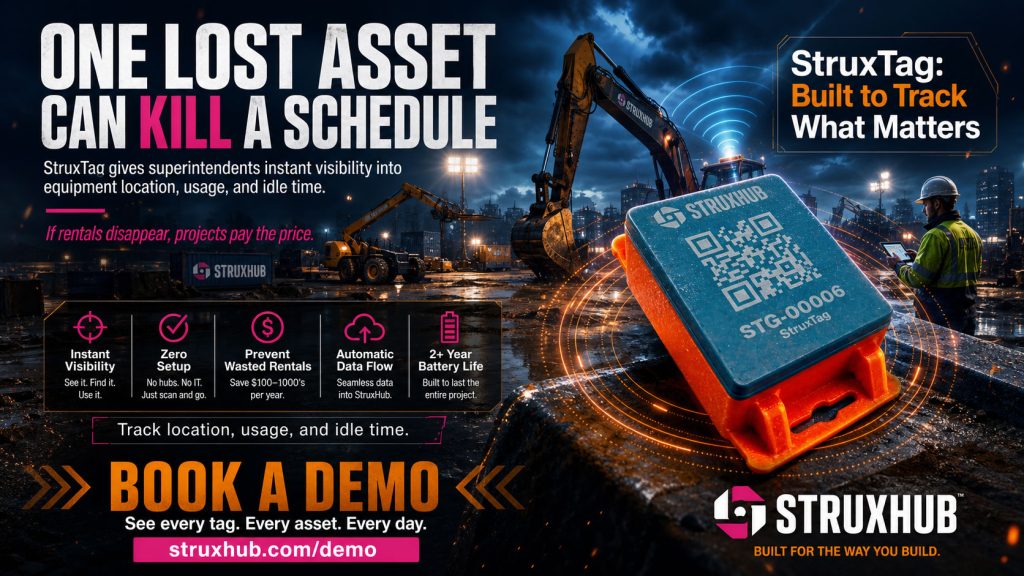
One of the biggest operational challenges in construction is equipment inefficiency. Machines often sit idle, get duplicated across projects unnecessarily, or become unavailable when crews need them most. Heavy equipment tracking solves this problem by giving contractors real-time utilization visibility.
With live tracking systems, superintendents can see:
- which machines are active
- which are idle
- where assets are located
- how long equipment has been operating
- whether crews are using machines efficiently
This operational awareness improves productivity across the jobsite. Instead of over-ordering rentals or waiting for equipment to arrive, teams can optimize deployment using actual data.
AI-powered fleet analytics also help identify trends. Contractors can analyze:
- underutilized assets
- excessive idle time
- fuel inefficiencies
- operator usage patterns
These insights improve workforce coordination and scheduling. Equipment becomes easier to allocate between crews, reducing downtime and helping projects stay on schedule.
For large multi-site operations, utilization tracking can save enormous costs by reducing unnecessary rentals and improving fleet sharing between projects.
Top Features
- Real-time fleet utilization dashboards
- AI-based idle time analysis
- Multi-site equipment visibility and allocation tracking
Top Benefits
- Improves crew productivity and workflow coordination
- Reduces equipment downtime and unnecessary rentals
- Optimizes fleet usage across multiple projects
Best Practices
- Monitor idle time daily for high-value assets
- Share utilization data with project managers weekly
- Reallocate underused equipment quickly between jobsites
Q&A
Q: What is equipment utilization tracking?
A: It measures how effectively construction machinery is being used during operations.
Q: Why does idle equipment cost contractors money?
A: Idle equipment still consumes fuel, rental costs, and maintenance resources without contributing productivity.
Q: Can AI improve fleet utilization?
A: Yes. AI identifies usage trends and recommends smarter deployment strategies.
How Contractors Prevent Equipment Theft and Unauthorized Equipment Usage
Heavy equipment theft is a major concern on construction sites because machines are expensive, mobile, and often stored in open or semi-secured areas. GPS-based equipment tracking helps contractors reduce theft risk by showing where every asset is located in real time.
With geofencing, contractors can create virtual boundaries around jobsites, storage yards, or approved work zones. If a machine moves outside the approved area after hours, the system can send an automatic alert to superintendents, fleet managers, or security teams.
Unauthorized usage is another hidden cost. Equipment may be used by the wrong crew, moved without approval, or operated outside scheduled hours. Tracking systems create accountability by logging movement, runtime, and activity history.
Top Features
- GPS location monitoring for high-value equipment
- Geofence alerts for unauthorized movement
- Activity logs for runtime, movement, and operator accountability
Top Benefits
- Reduces risk of equipment theft and loss
- Improves accountability across crews and jobsites
- Helps contractors respond faster when equipment moves unexpectedly
Best Practices
- Set geofences around all active jobsites and equipment yards
- Configure after-hours alerts for unauthorized equipment movement
- Review movement logs weekly to identify unusual activity
Q&A
Q: How does GPS tracking prevent equipment theft?
A: GPS tracking helps contractors locate equipment quickly and receive alerts when assets move outside approved areas.
Q: What is geofencing in equipment tracking?
A: Geofencing creates a virtual boundary around a jobsite or yard and sends alerts when equipment enters or exits that area.
Q: Can tracking systems show who used equipment?
A: Yes, many platforms can connect usage history with operators, access logs, or assigned crews.
Using AI and Smart Data to Monitor Heavy Equipment Performance
AI is changing heavy equipment tracking by turning raw fleet data into actionable insights. Instead of simply showing where equipment is located, modern systems analyze performance patterns, idle time, maintenance signals, and utilization trends.
Smart data can help contractors understand whether a machine is being overused, underused, or operated inefficiently. AI can flag unusual behavior, predict potential breakdowns, and recommend changes to fleet deployment.
For superintendents, this creates a more proactive way to manage equipment. If a lift is sitting idle for days, it can be reassigned. If an excavator shows rising fuel consumption or fault codes, maintenance can be scheduled before failure occurs.
Top Features
- AI-powered equipment utilization analysis
- Predictive alerts for performance issues
- Smart reporting for fuel usage, runtime, and idle time
Top Benefits
- Helps contractors make data-driven fleet decisions
- Reduces downtime through early issue detection
- Improves jobsite planning with smarter equipment insights
Best Practices
- Review AI-generated fleet reports during weekly operations meetings
- Compare utilization data across projects to identify waste
- Use predictive alerts to schedule repairs before breakdowns
Q&A
Q: How does AI help with construction equipment tracking?
A: AI analyzes fleet data to identify patterns, predict problems, and recommend better equipment usage.
Q: Can AI reduce equipment downtime?
A: Yes, predictive alerts can help teams address maintenance issues before equipment fails.
Q: What kind of data does AI use for fleet tracking?
A: AI can analyze GPS location, runtime, idle time, fuel use, diagnostics, and maintenance history.
How Equipment Tracking Improves Maintenance Scheduling and Reduces Downtime
Equipment downtime can disrupt schedules, delay crews, and increase project costs. Heavy equipment tracking helps contractors manage maintenance more proactively by monitoring engine hours, fault codes, service intervals, and usage patterns.
Instead of waiting for machines to break down, contractors can schedule maintenance based on actual usage. For example, if a loader reaches a required service threshold, the system can automatically alert the fleet manager before the machine fails onsite.
This is especially important for large fleets spread across multiple projects. Without centralized tracking, maintenance teams may not know which machines are due for service until problems appear. Digital tracking creates a clear maintenance calendar based on real-time equipment data.
Top Features
- Engine hour tracking for service planning
- Automated maintenance alerts and service reminders
- Fault code monitoring for early issue detection
Top Benefits
- Reduces unexpected equipment breakdowns
- Extends the life of expensive construction assets
- Keeps crews productive by improving equipment availability
Best Practices
- Set maintenance reminders based on engine hours and manufacturer guidelines
- Track fault codes and service history in one centralized platform
- Schedule preventive maintenance during planned downtime whenever possible
Q&A
Q: How does equipment tracking reduce downtime?
A: It alerts teams before service issues become breakdowns, allowing repairs to happen proactively.
Q: Why are engine hours important for maintenance?
A: Engine hours show how much equipment has actually been used, making service scheduling more accurate.
Q: Can maintenance tracking help reduce repair costs?
A: Yes, preventive maintenance is usually far less expensive than emergency repairs or major failures.
How StruxHub Helps Contractors Manage Equipment Tracking and Fleet Coordination
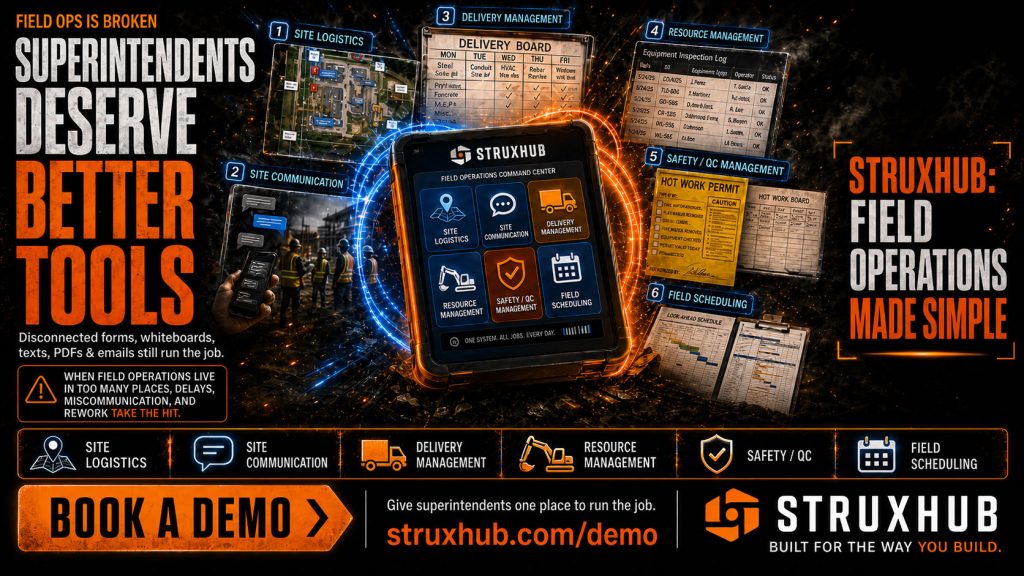
StruxHub helps contractors bring equipment tracking, logistics, and field coordination into one connected workflow. Instead of managing equipment through spreadsheets, phone calls, or disconnected GPS systems, teams can use StruxHub to centralize visibility across active jobsites.
For superintendents, this means knowing where equipment is located, whether it is assigned to the right crew, and whether it is available for upcoming work. StruxHub can help connect equipment planning with scheduling, delivery coordination, field reports, and jobsite logistics.
This is especially valuable for contractors managing multiple projects or large equipment fleets. When teams can see equipment status in real time, they can reduce idle time, avoid duplicate rentals, improve accountability, and keep work moving.
Top Features
- Centralized equipment visibility across jobsites
- Equipment coordination tied to schedules and field workflows
- Digital tracking for usage, availability, and jobsite assignment
Top Benefits
- Helps superintendents manage equipment without manual guesswork
- Improves coordination between field crews, project managers, and operations teams
- Reduces delays caused by missing, idle, or unavailable equipment
Best Practices
- Use StruxHub as the shared source of truth for equipment status
- Connect equipment tracking with daily planning and jobsite logistics
- Review fleet availability before approving new rentals or transfers
Q&A
Q: How does StruxHub help with construction equipment tracking?
A: StruxHub helps teams centralize equipment visibility, jobsite assignments, and coordination workflows in one place.
Q: Can StruxHub help reduce idle equipment?
A: Yes, better visibility helps teams identify underused assets and reassign them where they are needed.
Q: Why is equipment tracking important for superintendents?
A: Superintendents need to know what equipment is available, where it is located, and whether it is ready for scheduled work.
Frequently Asked Questions About Heavy Equipment Tracking
What is heavy equipment tracking in construction?
Heavy equipment tracking is the process of monitoring construction machinery, vehicles, and fleet assets using digital tools such as GPS, telematics, IoT sensors, and fleet management software. Instead of relying on manual logs, phone calls, or spreadsheets, contractors can see where equipment is located, how it is being used, and whether it is available for upcoming work.
For construction teams, this is important because equipment is one of the most expensive resources on a jobsite. Excavators, cranes, forklifts, skid steers, lifts, loaders, and generators all affect schedule performance. If equipment is missing, idle, broken, or assigned to the wrong crew, the entire workflow can slow down.
Heavy equipment tracking helps superintendents and operations managers make better daily decisions. They can confirm equipment location, monitor usage, reduce idle time, prevent unauthorized movement, and schedule maintenance before breakdowns happen.
Modern tracking systems go beyond location. Telematics can collect data on engine hours, fuel consumption, fault codes, operator activity, and utilization trends. This turns fleet tracking into a powerful jobsite management tool that improves productivity, safety, accountability, and cost control.
How does GPS tracking help contractors manage construction equipment?
GPS tracking helps contractors know where each piece of equipment is located in real time. This is especially valuable when equipment moves between jobsites, storage yards, staging areas, and subcontractor work zones.
Without GPS tracking, teams often waste time calling foremen, checking yards, or searching sites to locate equipment. That delay can cause crews to sit idle or force contractors to rent duplicate equipment unnecessarily. GPS tracking removes that guesswork by showing the exact location of each asset.
GPS tracking also improves security. Contractors can create geofences around jobsites or equipment yards. If a machine moves outside the approved area after hours, the system can send an alert so teams can respond quickly.
For superintendents, GPS tracking supports better planning. They can confirm whether equipment is onsite before scheduling work, verify that assets are assigned correctly, and coordinate transfers between projects more efficiently.
In short, GPS tracking helps contractors protect equipment, reduce downtime, and improve fleet visibility across active construction operations.
What is the difference between equipment tracking and telematics?
Equipment tracking usually refers to knowing where construction assets are located, while telematics goes deeper by collecting performance and operational data from the machine itself.
GPS equipment tracking answers questions like:
- Where is the machine?
- Is it inside the jobsite boundary?
- Did it move after hours?
- Which project is it assigned to?
Telematics answers more detailed operational questions like:
- How many engine hours has the machine logged?
- How much fuel is it using?
- Is it idling too much?
- Are there fault codes or maintenance alerts?
- Is the machine being used efficiently?
Together, GPS tracking and telematics create a complete view of fleet performance. GPS helps contractors manage location and security, while telematics helps them manage utilization, maintenance, fuel efficiency, and machine health.
For contractors managing large fleets, both are important. Location data helps prevent lost equipment and unauthorized movement. Telematics data helps reduce downtime, extend equipment life, and improve jobsite productivity.
The most effective heavy equipment tracking programs combine both systems into one workflow so superintendents, fleet managers, and operations teams can make smarter decisions from the same data.
How can heavy equipment tracking reduce costs for contractors?
Heavy equipment tracking reduces costs by helping contractors use their existing fleet more efficiently. One of the biggest hidden expenses in construction is idle or underused equipment. A machine may sit unused on one jobsite while another project rents the same type of equipment because no one has clear visibility into fleet availability.
Tracking systems help prevent this by showing where equipment is located and how often it is being used. If a machine is idle, contractors can reassign it instead of renting another one. This improves utilization and reduces unnecessary rental costs.
Equipment tracking also lowers maintenance costs. By monitoring engine hours, fault codes, and service intervals, contractors can schedule preventive maintenance before a breakdown occurs. Preventive maintenance is usually far less expensive than emergency repairs or project delays caused by failed equipment.
Fuel savings are another benefit. Telematics can identify excessive idle time, inefficient usage, or machines consuming more fuel than expected. Reducing fuel waste can create significant savings across large fleets.
Finally, GPS tracking helps prevent theft and unauthorized usage. Recovering stolen equipment quickly or preventing unauthorized movement protects contractors from major financial losses.
How does StruxHub help contractors manage heavy equipment tracking and fleet coordination?
StruxHub helps contractors connect heavy equipment tracking with real-time jobsite coordination. Instead of treating fleet management as a separate operation, StruxHub helps superintendents and project teams align equipment visibility with scheduling, logistics, daily planning, and field communication.
With StruxHub, teams can centralize equipment information so everyone understands what equipment is available, where it is assigned, and how it supports upcoming work. This reduces confusion between the field, office, and operations teams.
For superintendents, this visibility is especially valuable. They can confirm whether equipment is ready before crews arrive, coordinate equipment transfers between zones, and avoid delays caused by missing or unavailable machines.
StruxHub also supports broader jobsite accountability. Equipment status can be connected to daily reports, logistics planning, and project schedules, helping teams understand how fleet availability affects productivity. When equipment tracking is part of the same coordination workflow as manpower, materials, and deliveries, contractors gain a much clearer picture of jobsite performance.
In short, StruxHub helps contractors move beyond basic equipment tracking. It supports smarter fleet coordination, better communication, reduced idle time, and more productive construction operations.
StruxHub
Experience the power of StruxHub today and witness firsthand how it can revolutionize your construction operations.
 May 28, 2026