Construction Equipment Tracking: Top Equipment Tracking Trends Superintendents and Field Managers Can’t Afford to Miss
Table of Contents:
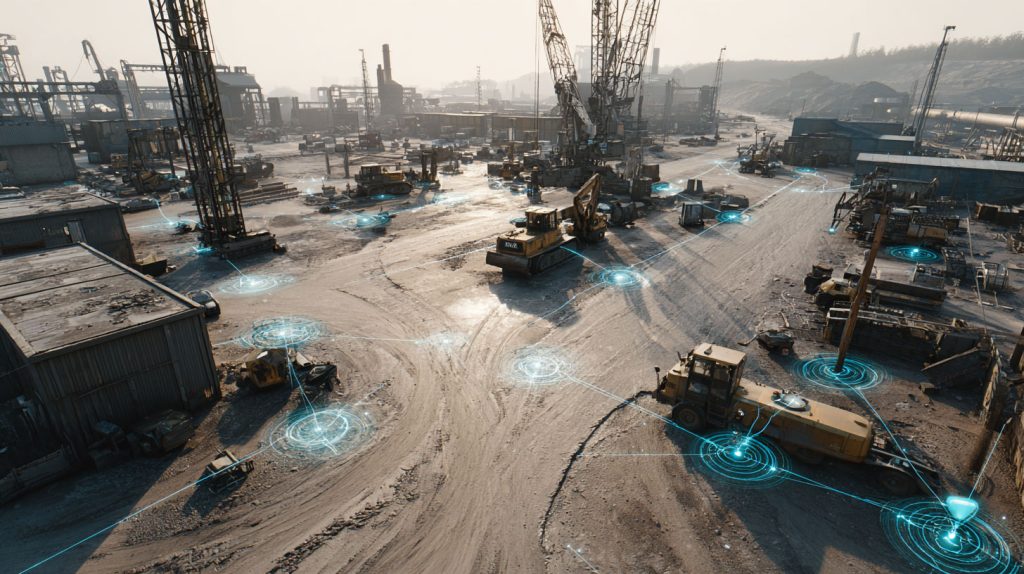
The construction industry is entering a new era of visibility and control. Equipment tracking has evolved from manual spreadsheets and checklists into connected, intelligent systems that give superintendents and field managers complete oversight of their assets. As projects get larger and more data-driven, the way teams track, share, and optimize their equipment is changing faster than ever.
Today, technology like GPS tracking, RFID tagging, and artificial intelligence is transforming jobsite operations. These tools not only help locate machinery but also analyze how it’s used, when it needs maintenance, and how it can be deployed more effectively. For superintendents managing dozens of moving parts, this insight is invaluable. It reduces downtime, prevents loss, and ensures resources are always exactly where they’re needed.
In this guide, we’ll explore the top equipment tracking trends shaping construction management right now. From predictive maintenance and AI-powered analytics to cloud-based integration and real-time collaboration, these trends represent the next phase of construction efficiency—and they’re tools no superintendent can afford to ignore.
Trend 1: AI-Powered Predictive Maintenance Is Replacing Reactive Repairs
For decades, equipment maintenance followed a simple cycle: run it until it breaks, then fix it. While that approach worked on small projects, it’s no longer viable on large, high-speed construction sites. AI-powered predictive maintenance is changing the game by identifying problems before they cause downtime.
Sensors attached to equipment now monitor performance indicators like vibration, temperature, and fuel usage. AI algorithms analyze this data to detect early signs of mechanical wear and automatically alert teams when maintenance is needed. This allows superintendents to plan service during noncritical hours and prevent unexpected breakdowns.
Predictive maintenance also extends equipment life by reducing stress and overuse. Instead of guessing when repairs are due, AI provides data-backed recommendations that keep machines operating at peak efficiency.
Top Benefits
- Prevents costly breakdowns with early maintenance alerts
- Extends equipment lifespan through consistent performance monitoring
- Reduces unplanned downtime and repair expenses
Best Practices
- Equip high-value assets with IoT sensors for performance tracking
- Schedule predictive maintenance based on AI alerts, not fixed intervals
- Analyze maintenance trends monthly to identify recurring issues
Q&A Mini Section
Q: How does predictive maintenance save time for superintendents?
A: It prevents unexpected downtime and allows planned service around production schedules.
Q: Can AI forecasting handle older machines?
A: Yes. Many systems can be retrofitted with sensors to track performance metrics.
Q: Does predictive maintenance require constant internet access?
A: No. Data is stored locally and syncs automatically when a connection is available.
AI-powered predictive maintenance turns equipment management from a reactive process into a proactive system that keeps construction projects running smoothly.
Trend 2: Cloud-Based Tracking Platforms Are Becoming the New Standard
As construction operations expand across multiple locations, the need for centralized, cloud-based equipment tracking has become critical. Cloud technology allows every piece of equipment—from cranes to handheld tools—to be monitored and managed through a single platform accessible from any device.
For superintendents, this means no more guessing or waiting for updates from field crews. When equipment is moved, scanned, or serviced, that information appears instantly across the system. This transparency helps coordinate multiple job sites, improve accountability, and reduce duplication of resources.
Cloud-based systems also support data integration. Equipment tracking can now link directly to scheduling, procurement, and reporting platforms, creating a single, unified workflow that saves time and reduces communication errors.
Top Benefits
- Provides real-time visibility across multiple projects and locations
- Centralizes data for better coordination and resource sharing
- Integrates seamlessly with scheduling and reporting tools
Best Practices
- Standardize all tracking systems under one cloud-based platform
- Grant controlled access to suppliers, mechanics, and field leads
- Use cloud analytics to identify underused equipment for redeployment
Q&A Mini Section
Q: How does cloud-based tracking improve collaboration?
A: It ensures everyone—from superintendents to field managers—works from the same live data.
Q: Can data be accessed securely from mobile devices?
A: Yes. Leading platforms use encryption and permission controls to protect information.
Q: Does this technology reduce administrative work?
A: Significantly. It eliminates manual updates and consolidates reporting automatically.
Cloud-based equipment tracking creates a connected ecosystem where data flows seamlessly, giving construction teams unmatched visibility and control.
Trend 3: IoT Connectivity Is Driving Real-Time Jobsite Awareness
The Internet of Things (IoT) is reshaping how construction equipment communicates. IoT-enabled sensors can now transmit data about performance, fuel usage, and location in real time, giving superintendents a complete picture of their jobsite’s health at any moment.
These connected devices allow teams to detect potential issues faster, optimize routing and usage, and monitor environmental factors like temperature and vibration that affect performance. Superintendents can also use IoT dashboards to track key metrics such as idle time, operator activity, and utilization across multiple machines.
This level of visibility makes it easier to coordinate crews, reduce energy waste, and prevent costly idle hours. As IoT adoption grows, it will become one of the defining technologies behind efficient and sustainable construction practices.
Top Benefits
- Enables live equipment tracking and performance monitoring
- Improves operational efficiency through real-time data sharing
- Reduces idle time and energy waste across job sites
Best Practices
- Install IoT sensors on high-use or high-value assets
- Monitor real-time metrics such as engine hours and fuel consumption
- Use IoT data to optimize routing and resource allocation
Q&A Mini Section
Q: How does IoT help with equipment safety?
A: It detects irregular performance patterns that could indicate potential mechanical failures.
Q: Can IoT systems connect with other management tools?
A: Yes. They integrate with most modern scheduling and project management platforms.
Q: What is the main advantage of IoT for superintendents?
A: Instant situational awareness that leads to better, faster decision-making.
IoT connectivity transforms data into action, helping superintendents make informed decisions that keep their projects efficient, safe, and sustainable.

Trend 4: Automation Is Eliminating Manual Equipment Tracking Tasks
Automation is becoming one of the most powerful advancements in equipment management. Instead of relying on manual logs, emails, or end-of-day updates, automated systems now handle check-ins, check-outs, service reminders, and usage reporting instantly. When equipment is moved or assigned, the system updates itself. When a machine reaches a service threshold, maintenance alerts are generated automatically.
For superintendents and field managers, this shift removes a massive administrative burden. Automation ensures accuracy, consistency, and speed. It also keeps schedules current by syncing equipment status with project timelines, so crews always know what is available. As automation becomes more widely adopted, equipment tracking will transition from a manual task into a background process that quietly ensures jobsites stay productive.
Top Benefits
- Eliminates repetitive manual tasks and data entry
- Keeps all equipment status updates accurate and consistent
- Syncs availability with schedules for smooth day-to-day planning
Best Practices
- Automate service reminders for all high-usage machinery
- Use automated logs to verify when equipment is checked out or returned
- Sync automation with project scheduling tools for real-time availability
Q&A Mini Section
Q: How does automation prevent schedule disruptions?
A: It updates equipment status instantly, ensuring schedules always reflect real availability.
Q: Can automation track multiple crews and sites?
A: Yes. Updates sync across every connected jobsite automatically.
Q: Does automation require extra training?
A: Not much. Most systems are designed to run quietly in the background.
Automation replaces slow, manual updates with a streamlined, self-updating system that keeps equipment and schedules aligned.
StruxHub
Experience the power of StruxHub today and witness firsthand how it can revolutionize your construction operations.
Trend 5: Advanced Analytics Are Helping Teams Make Better Decisions
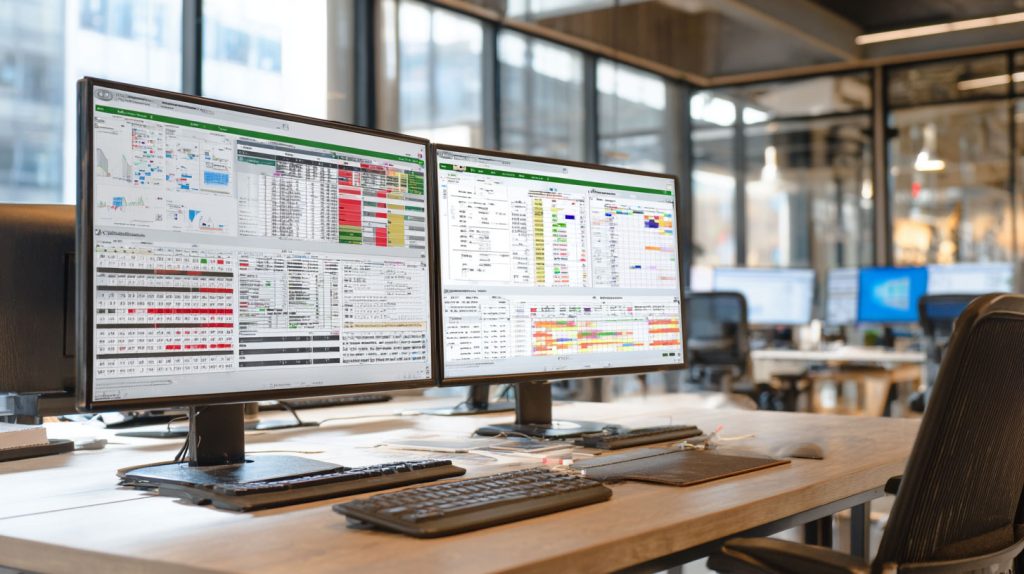
Analytics are becoming a must-have capability in construction equipment tracking. Modern platforms now use dashboards that show live usage trends, performance scores, maintenance history, idle time, and cost data. These insights help superintendents understand how equipment is being used, where inefficiencies exist, and how to improve resource allocation across the project.
Over the next five years, analytics will play an even bigger role. They will help identify underused assets, highlight recurring maintenance issues, and guide smarter purchasing and rental decisions. Analytics will also tie directly into forecasting models that advise superintendents on when to rotate equipment, when to service it, and whether it should be moved to another site.
With analytics, superintendents gain a level of clarity and foresight that manual tracking could never provide. Instead of relying on intuition alone, they can back decisions with precise, real-time data.
Top Benefits
- Highlights inefficiencies and bottlenecks before they slow projects down
- Improves resource planning across all project phases
- Provides actionable insights for cost control and performance optimization
Best Practices
- Review analytics weekly to identify trends and make early adjustments
- Use historical data to refine equipment planning for future projects
- Share dashboards with field teams to align everyone around performance goals
Q&A Mini Section
Q: Can analytics help reduce rental costs?
A: Yes. They identify underused equipment so teams can avoid unnecessary rentals.
Q: How do analytics help with forecasting?
A: They analyze past and current data to predict upcoming needs with greater accuracy.
Q: Are analytics useful on smaller projects?
A: Absolutely. Even small teams benefit from clear performance insights.
Advanced analytics turn equipment data into a powerful decision-making asset for superintendents and field managers.
Trend 6: Equipment Tracking Platforms Are Becoming Collaboration Hubs
Modern equipment tracking tools are no longer just data systems. They have evolved into communication and collaboration platforms that connect the entire project team. Field crews, mechanics, suppliers, and superintendents can all share updates inside the same system, making coordination faster and clearer.
For example, when a delivery arrives, crews can upload photos, tag supervisors, and log conditions instantly. When equipment needs service, the system alerts both the superintendent and the maintenance team. When an operator finds damage, they can record it immediately with notes and images. Every action is documented and visible to the right people, improving accountability and reducing delays caused by miscommunication.
This level of integration helps superintendents stay organized and eliminates the clutter of scattered text messages, emails, and handwritten notes. It also provides a complete digital history of equipment usage and maintenance, strengthening jobsite transparency.
Top Benefits
- Connects field teams, office staff, and suppliers in a single system
- Reduces confusion by centralizing all equipment-related communication
- Improves accountability with timestamped updates and photo documentation
Best Practices
- Use in-platform messaging for all equipment updates and requests
- Tag team members directly to speed up response times
- Review communication logs weekly to verify issue resolution
Q&A Mini Section
Q: How does centralized communication reduce project delays?
A: It ensures that everyone receives accurate updates instantly, avoiding misunderstandings.
Q: Can suppliers update their delivery status inside the platform?
A: Yes. Many systems allow vendors to upload shipping updates directly.
Q: Does this improve jobsite safety?
A: Yes. Issues are identified and communicated faster, reducing risk.
Collaboration hubs give superintendents complete control of communication, helping equipment workflows move cleanly from task to task.
StruxHub: Revolutionizing Project Management in Large Commercial Construction
How StruxHub Helps Superintendents Stay Ahead of Equipment Trends
StruxHub brings all the major equipment tracking trends into one connected platform. It combines automation, AI forecasting, real-time communication, and advanced analytics so superintendents can manage equipment confidently across every jobsite.
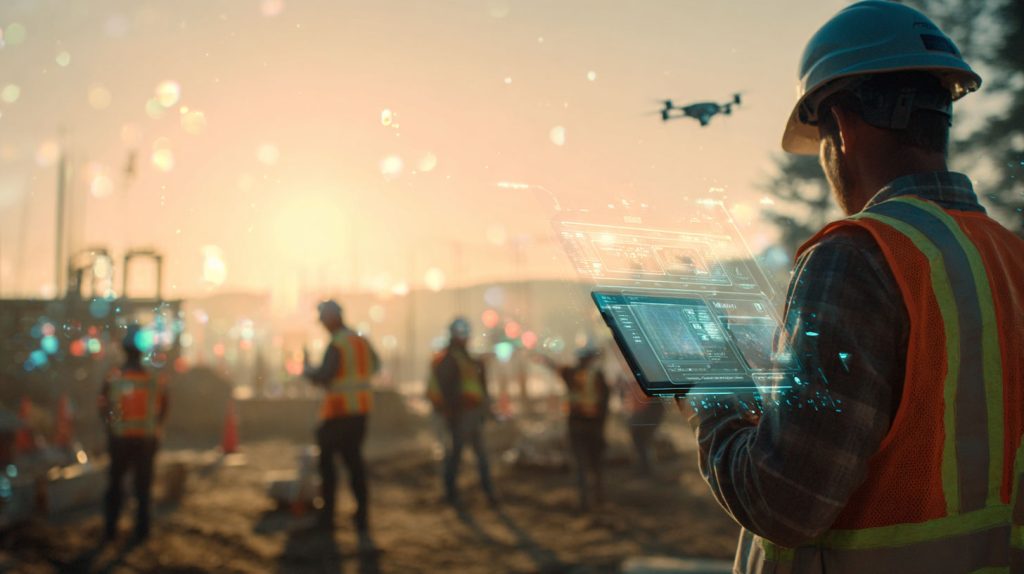
StruxHub’s mobile-friendly tools allow field teams to scan assets, report issues, and update equipment status instantly. Predictive analytics highlight potential maintenance needs or underused assets before they impact the schedule. Automated alerts ensure that superintendents always know when a machine needs service or when a delivery has arrived.
Integration is StruxHub’s biggest advantage. It connects equipment tracking with scheduling, reporting, safety, and procurement systems, creating a unified workflow that eliminates information gaps. Whether managing a single site or a multi-project operation, StruxHub gives superintendents the visibility and tools they need to keep projects running smoothly.
Top Benefits
- Combines tracking, analytics, automation, and communication in one platform
- Predicts maintenance needs and prevents downtime
- Improves accuracy and speed across all stages of equipment management
Best Practices
- Enable predictive alerts to stay ahead of maintenance cycles
- Sync StruxHub with project schedules for live equipment availability
- Use real-time dashboards to monitor equipment performance across multiple sites
Q&A Mini Section
Q: How does StruxHub prevent equipment-related delays?
A: It predicts issues early, automates service schedules, and provides updated availability across teams.
Q: Can StruxHub support large fleets?
A: Yes. It scales easily for contractors with multiple sites and large equipment inventories.
Q: What makes StruxHub ideal for superintendents and field managers?
A: It centralizes information and gives leaders real-time control over every equipment decision.
StruxHub equips superintendents with the tools and insights they need to stay ahead of equipment challenges and lead more efficient, predictable projects.
FAQ: Construction Equipment Tracking Trends Superintendents and Field Teams Should Know
1. Why is equipment tracking becoming such a major focus for construction companies?
Equipment represents one of the largest investments on any construction project. As jobsite complexity increases, the cost of lost tools, idle machinery, and unplanned downtime becomes even higher. Traditional methods like spreadsheets or manual logs cannot keep up with real-time needs. Modern tracking systems solve this by providing instant visibility into where equipment is located, how often it is used, and when it needs maintenance. These tools help superintendents make decisions faster, reduce waste, and prevent delays caused by missing or unavailable equipment. As competition and project demands grow, companies that embrace digital tracking gain a significant edge in productivity, cost control, and schedule reliability.
2. How do AI, IoT sensors, and predictive tools improve equipment performance on job sites?
AI analyzes performance data collected from IoT sensors installed on equipment. These sensors monitor metrics like engine temperature, vibration, run hours, and fuel consumption. AI reviews these patterns to detect early signs of wear or mechanical issues, allowing superintendents to schedule maintenance before a breakdown occurs. It also identifies underused equipment so teams can reassign or share assets efficiently. Predictive tools help control costs by reducing emergency repairs, extending equipment lifespan, and eliminating unnecessary rentals. They also reduce schedule risk by ensuring equipment is ready when crews need it.
3. How can superintendents use real-time tracking to improve scheduling and coordination?
Real-time tracking ensures that scheduling decisions are made using accurate and current information. When equipment moves, becomes available, or goes offline for maintenance, the system updates automatically. Schedulers and field managers can see availability instantly, preventing bottlenecks and idle time. This is especially important on fast-paced projects where multiple trades depend on the same machinery. When integrated with project management tools, real-time tracking allows calendars and task assignments to adjust automatically, improving overall workflow efficiency.
StruxHub
Discover how StruxHub can revolutionize your construction management. Contact us today!
4. Do equipment tracking platforms help reduce communication errors between teams?
Yes. One of the biggest causes of equipment-related delays is poor communication. Modern platforms act as central communication hubs that store every update, maintenance note, and equipment transfer in one place. Field crews can upload photos, tag supervisors, and log changes instantly. Project managers and equipment managers receive updates at the exact same time, ensuring no one is working from outdated information. This transparency improves accountability and creates a digital record that can be used for audits, safety checks, or dispute resolution.
5. How does StruxHub support equipment tracking across multiple projects?
StruxHub brings together tracking, automation, communication, and analytics into one connected system. Superintendents can view equipment status across all active job sites from a single dashboard. The platform tracks usage, maintenance needs, and transfers automatically, reducing manual work. Predictive analytics help identify underused equipment or upcoming maintenance requirements before they affect schedules. Mobile tools let field teams scan equipment, document issues, and update status immediately. Integration with scheduling and procurement systems ensures that equipment data flows directly into critical workflows. This helps contractors reduce downtime, eliminate waste, and coordinate operations with far greater speed and accuracy.