How Smart Inventory Management Tools Use Automation and AI to Keep Construction Projects on Schedule
Table of Contents:
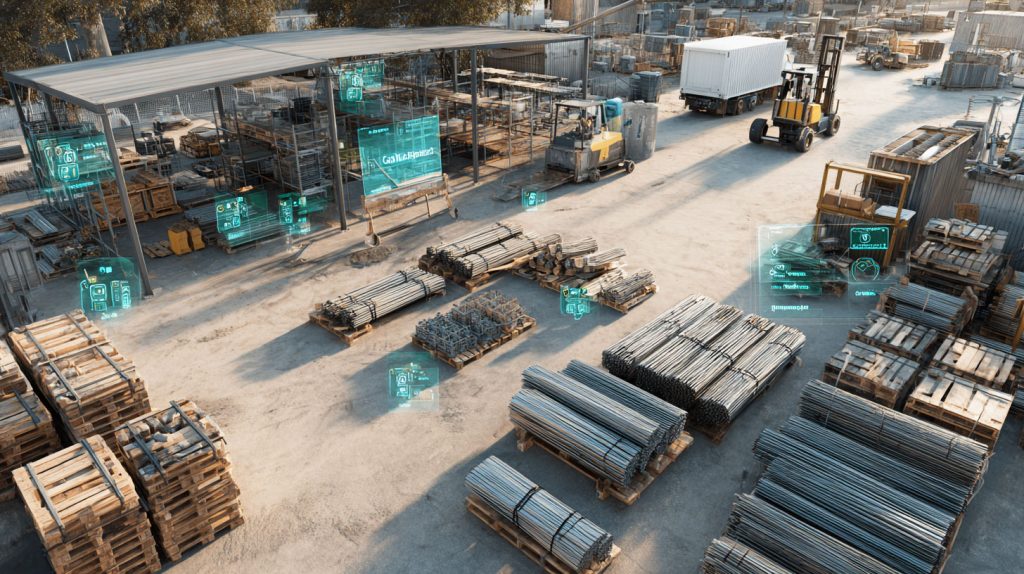
Every superintendent knows that project delays rarely come from one big mistake — they’re the result of dozens of small inefficiencies. Late materials, inaccurate counts, and missed reorders can quietly derail progress. Traditional spreadsheets and phone calls simply can’t keep up with the fast pace and coordination demands of modern construction. That’s where smart inventory management tools powered by automation and AI are changing the game.
These digital systems monitor materials in real time, automate repetitive tracking tasks, and use predictive analytics to keep schedules running smoothly. When materials run low, the system sends alerts. When deliveries are delayed, it adjusts timelines automatically. When patterns of inefficiency appear, AI learns and makes future forecasts more accurate.
For superintendents managing multiple trades and job phases, these tools eliminate guesswork. They ensure that materials, crews, and schedules stay aligned from start to finish. In this article, we’ll explore how automation and AI in smart inventory management tools prevent bottlenecks, improve accuracy, and help superintendents keep construction projects consistently on schedule.
Automation Eliminates Manual Errors and Scheduling Gaps
In construction, every minute counts — but so does every number. Manual tracking systems often lead to small errors that create large scheduling headaches later. A missed delivery log or a miscounted order can cascade into lost productivity and costly downtime.
Automation removes that risk by taking over repetitive, error-prone tasks. As materials are delivered, used, or transferred, the system updates counts automatically, removing the need for manual entry. Tasks like generating delivery confirmations, sending reorder alerts, or creating daily inventory reports are handled automatically in the background.
The result is a steady flow of accurate information. Superintendents always know what’s on-site, what’s on order, and what’s delayed. When the inventory data is always right, the schedule stays right, too.
Top Benefits
- Eliminates manual entry errors and data duplication
- Keeps material counts accurate in real time
- Saves hours each week through automated reporting and alerts
Best Practices
- Automate daily stock updates and delivery confirmations
- Set reorder alerts for high-use materials and consumables
- Integrate automated reports with scheduling software for consistent updates
Q&A Mini Section
Q: How much time can automation save per week?
A: Superintendents typically save 4–6 hours weekly by automating updates and reports.
Q: What’s the biggest advantage of automation in scheduling?
A: It ensures that material availability data is always current, reducing surprise delays.
Q: Can automation work across multiple job sites?
A: Yes — most systems sync data across all active projects simultaneously.
Automation doesn’t just speed up paperwork — it turns inventory management into a self-updating, error-free foundation for project scheduling.
AI Forecasting Predicts Material Needs Before Shortages Happen
Material shortages are one of the top causes of jobsite delays. They often happen when ordering is reactive instead of predictive. AI changes that by forecasting material needs before shortages occur.
By analyzing historical usage patterns, delivery lead times, weather delays, and crew productivity, AI identifies when stock levels are likely to drop below what’s required for upcoming phases. It then recommends reorder points or even generates automated purchase requests to keep materials arriving just in time.
Over time, the AI learns from each project — improving its predictions and reducing overordering and waste. This ensures that superintendents don’t just track inventory; they stay two steps ahead of it.
Top Benefits
- Predicts material shortages using data-driven insights
- Reduces emergency orders and project downtime
- Optimizes procurement timing and budget efficiency
Best Practices
- Review AI-generated forecasts weekly during coordination meetings
- Adjust reorder thresholds based on project phase and crew productivity
- Compare AI predictions with actual usage to improve future accuracy
Q&A Mini Section
Q: How does AI know when to suggest a reorder?
A: It analyzes consumption rates and delivery timelines to calculate the ideal reorder window.
Q: Can AI forecasting adjust to changing project conditions?
A: Yes — it updates predictions automatically as new data comes in.
Q: What’s the difference between automation and AI in inventory tools?
A: Automation executes tasks automatically; AI learns from patterns to improve future performance.
AI forecasting gives superintendents the power to anticipate, not just react — keeping materials and schedules aligned long before problems arise.
Real-Time Tracking Keeps Teams and Deliveries Synchronized
Even the best plans can fall apart if deliveries don’t match the schedule. Real-time tracking ensures that doesn’t happen. Smart inventory management tools use cloud connectivity and GPS integration to monitor material movement from the supplier to the jobsite.
Superintendents can see exactly when a delivery is arriving, verify quantities instantly, and log materials directly into the system using a tablet or mobile device. If something’s delayed or short-shipped, the system flags it immediately. This visibility lets teams make schedule adjustments on the spot instead of waiting until the next coordination meeting.
For multi-phase or multi-site projects, real-time tracking is even more valuable. Materials for different trades or job zones can be tracked independently, ensuring everything arrives at the right place at the right time.
Top Benefits
- Provides live delivery tracking and instant verification
- Prevents downtime from late or incorrect shipments
- Keeps project phases and trades working on schedule
Best Practices
- Require all deliveries to be scanned or logged upon arrival
- Use dashboard alerts to track late or incomplete shipments
- Assign responsibility for material verification to foremen or logistics leads
Q&A Mini Section
Q: How does real-time tracking improve communication with suppliers?
A: It provides instant visibility into deliveries, reducing miscommunication and follow-ups.
Q: Can it handle multiple suppliers at once?
A: Yes — most systems integrate with multiple vendor databases simultaneously.
Q: How quickly do updates appear in the dashboard?
A: Instantly — as soon as a delivery is scanned or marked as received.
Real-time tracking bridges the gap between planning and execution, ensuring materials flow seamlessly from order to installation.
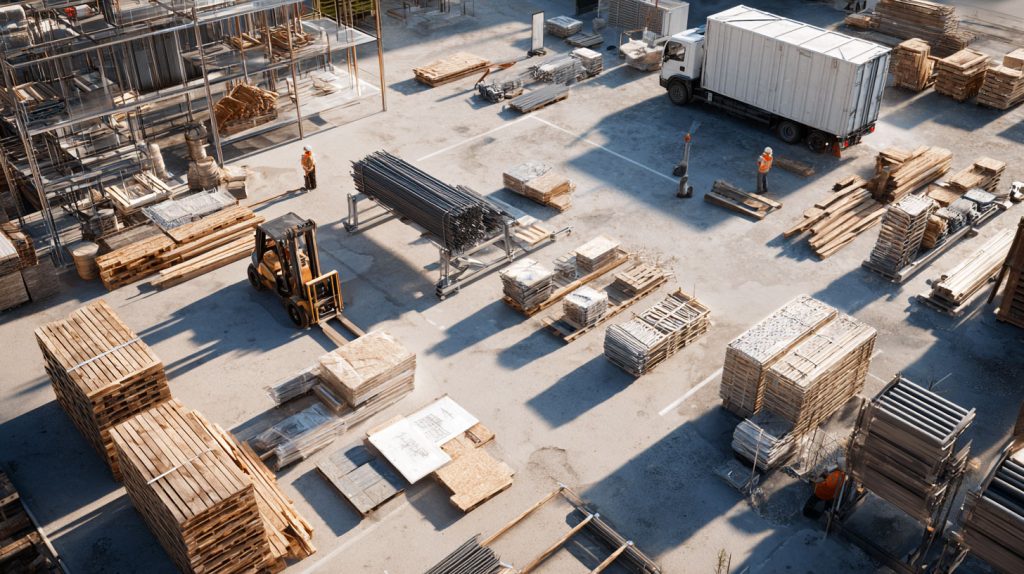
Real-Time Tracking Keeps Deliveries and Crews Synchronized
Even the best schedule fails if materials do not arrive when expected. Real-time tracking solves that problem by showing exactly where materials are from supplier to jobsite.
With GPS integration, mobile scanning, and cloud connectivity, smart inventory tools give superintendents a complete view of every delivery. They can verify quantities instantly, log materials as received, and identify issues like shortages or damaged shipments as soon as they occur. These updates appear immediately in the shared dashboard, so project teams can react before the delay affects the schedule.
For large or multi-phase projects, this visibility is invaluable. Different trades or zones can be tracked separately, ensuring that every shipment arrives at the right location at the right time.
Top Benefits
- Provides live visibility into shipments and deliveries
- Prevents downtime caused by late or incomplete orders
- Keeps project phases and teams working on accurate timelines
Best Practices
- Require deliveries to be scanned upon arrival for automatic verification
- Use dashboard notifications to flag delays or incomplete shipments
- Assign foremen to oversee material verification for accountability
Q&A Mini Section
Q: How does real-time tracking improve coordination with suppliers?
A: It gives both parties instant access to delivery updates, reducing missed communications.
Q: Can multiple suppliers be tracked in one system?
A: Yes. Most inventory tools integrate supplier feeds into a single, unified view.
Q: How soon do updates appear in the dashboard?
A: Immediately after materials are scanned or logged as received.
Real-time tracking keeps superintendents fully informed, ensuring that deliveries, schedules, and crews stay perfectly aligned from day one.
Predictive Analytics Turn Inventory Data Into Scheduling Insights
Smart inventory management tools are no longer just about tracking what comes in and out. They now analyze data to uncover trends that help superintendents make better scheduling and resource decisions. Predictive analytics use historical material data, supplier reliability, and crew productivity rates to identify where delays are likely to occur.
Instead of guessing when to reorder or wondering why certain deliveries are consistently late, predictive analytics highlight these patterns automatically. The system can alert managers to potential bottlenecks, recommend alternate suppliers, or suggest schedule adjustments based on resource availability. For superintendents, this means fewer surprises and more control over what happens next.
This visibility also helps improve long-term project performance. By reviewing historical data across multiple projects, companies can fine-tune delivery processes and forecast future needs with precision. Analytics turn every project into a learning opportunity that improves the next one.
Top Benefits
- Identifies material and delivery trends that affect schedules
- Provides data-driven recommendations for scheduling and procurement
- Improves long-term planning and supplier accountability
Best Practices
- Review performance dashboards weekly to spot early warning signs
- Use analytics to compare supplier accuracy and consistency
- Apply lessons from completed projects to upcoming schedules
Q&A Mini Section
Q: How do predictive analytics differ from AI forecasting?
A: Forecasting focuses on predicting future needs, while analytics interpret current and past data to uncover performance trends.
Q: Can analytics help optimize supplier selection?
A: Yes. It evaluates delivery accuracy and reliability to recommend the best-performing vendors.
Q: How often should analytics reports be reviewed?
A: Weekly reviews help catch small issues before they impact project timelines.
Predictive analytics turn raw numbers into meaningful insights that allow superintendents to manage projects more intelligently and proactively.

Automation Keeps Schedules Updated Without Manual Input
Even the best schedules can fall behind if updates rely on manual entry. Smart inventory systems now automate schedule adjustments based on live material data. When deliveries are delayed, quantities change, or milestones shift, the software automatically updates related activities in the master plan.
This automation keeps everyone aligned without the need for endless follow-ups or rescheduling meetings. Superintendents can see a real-time view of progress and material availability, knowing that the data is always accurate. Crew leaders can plan daily tasks confidently, while office teams receive live reports without asking for updates.
This automation also integrates directly with project management tools, linking deliveries, tasks, and materials in one synchronized workflow. The less time teams spend maintaining schedules, the more time they have to execute them.
Top Benefits
- Updates schedules automatically based on material status
- Reduces administrative work and version confusion
- Ensures all project stakeholders see the same current data
Best Practices
- Sync your inventory management software with scheduling platforms
- Set automation rules for high-impact materials that affect milestones
- Review automatic schedule adjustments at the start of each day
Q&A Mini Section
Q: How does automation improve scheduling reliability?
A: It keeps timelines current by reflecting real-time material and progress data without manual edits.
Q: Can automation link to external scheduling tools?
A: Yes. Most platforms integrate with systems like Primavera, Procore, or MS Project.
Q: What if project conditions change unexpectedly?
A: Automated scheduling reacts instantly, recalculating timelines to reflect the new reality.
Automation ensures that every update counts, keeping schedules accurate and projects moving forward without interruptions.

StruxHub: Revolutionizing Project Management in Large Commercial Construction
Improved Communication Between Field, Office, and Suppliers
Communication is one of the biggest factors in project success, and smart inventory management software improves it dramatically. Instead of relying on fragmented emails, calls, or paper updates, these systems centralize communication across all teams. When materials arrive, are delayed, or need reordering, everyone involved receives instant notifications.
Superintendents no longer need to chase down information from foremen or suppliers. Updates from the field flow directly into the platform, where office teams and vendors can view them in real time. Comments, photos, and status updates keep context clear, while automatic alerts ensure that no one misses important changes.
For suppliers, this level of visibility strengthens relationships and accountability. For construction teams, it means fewer miscommunications, faster responses, and schedules that stay on target.
Top Benefits
- Centralizes communication between the field, office, and suppliers
- Reduces response times for material-related issues
- Builds accountability with timestamped digital updates
Best Practices
- Use platform messaging instead of email for faster coordination
- Upload delivery photos and notes for visual confirmation
- Encourage all stakeholders to review daily updates in the shared dashboard
Q&A Mini Section
Q: How does centralized communication reduce delays?
A: It ensures everyone gets updates instantly and eliminates confusion caused by scattered information.
Q: Can suppliers participate in the same system?
A: Yes. They can access real-time delivery information and update shipment status directly.
Q: Are communication logs saved for audits?
A: Every message, comment, and update is stored and timestamped for full traceability.
Centralized communication bridges the gap between planning and execution, ensuring that all project participants stay connected and informed.

StruxHub
Experience the power of StruxHub today and witness firsthand how it can revolutionize your construction operations.
How StruxHub Keeps Construction Projects on Schedule With AI and Automation
StruxHub was created to help construction teams keep projects on time by combining automation, AI, and smart communication into one platform. Its inventory management tools track materials from supplier to installation while syncing automatically with project schedules and daily reports.
When materials run low, StruxHub’s automation sends reorder alerts. When deliveries are delayed, it adjusts project timelines instantly. AI analytics forecast future material needs and identify recurring issues before they cause delays. Mobile access lets crews log deliveries, upload photos, and verify quantities on-site, ensuring every update flows back to the main dashboard in real time.
For superintendents, StruxHub provides complete visibility and control. The platform’s predictive features prevent shortages, while its automation eliminates manual tracking and paperwork. By connecting suppliers, field teams, and management into one streamlined system, StruxHub helps every project stay efficient, transparent, and on schedule.
Top Benefits
- Combines AI forecasting, automation, and real-time visibility
- Syncs directly with schedules and procurement systems for accuracy
- Improves collaboration between superintendents, crews, and suppliers
Best Practices
- Enable predictive analytics to forecast and prevent material shortages
- Use automated alerts to stay ahead of delivery or supply delays
- Integrate StruxHub data with scheduling software for a unified project view
Q&A Mini Section
Q: How does StruxHub prevent scheduling disruptions?
A: It uses real-time updates and AI analytics to detect and fix material issues before they delay work.
Q: Can StruxHub connect directly with supplier systems?
A: Yes. It integrates seamlessly to share delivery updates and shipment data automatically.
Q: What makes StruxHub different from standard inventory tools?
A: Its AI and automation capabilities work together to keep the schedule accurate and projects running smoothly.
StruxHub helps superintendents move beyond reactive problem-solving and into proactive project management powered by data, automation, and real-time visibility.

FAQ: Smart Inventory Management Tools, Automation, and AI in Construction
1. How do automation and AI work together to improve construction scheduling?
Automation and AI complement each other to keep projects running efficiently. Automation handles repetitive tasks such as updating inventory counts, sending reorder alerts, and generating reports without manual input. AI takes it further by analyzing data trends and predicting when materials will run low or deliveries may arrive late. Together, they ensure that superintendents always have accurate, real-time information for scheduling. When materials and logistics are synchronized automatically, the schedule stays realistic and predictable. This integration reduces the need for emergency orders and minimizes downtime caused by missing supplies.
2. Can AI-driven inventory tools really prevent material shortages?
Yes. AI learns from project data such as consumption rates, supplier lead times, and schedule patterns to predict when stock levels will drop below safe thresholds. It alerts teams before shortages happen and can even trigger automated reorder requests. Over time, these systems become more accurate by recognizing patterns unique to each project or supplier. This proactive approach replaces reactive ordering with data-driven forecasting, helping superintendents avoid last-minute scrambles that disrupt the project schedule.
StruxHub
Discover how StruxHub can revolutionize your construction management. Contact us today!
3. How does automation reduce administrative work for superintendents?
Automation eliminates manual entry and constant data checking by handling updates in the background. When materials are delivered or used, the system records it automatically. Reports are generated and distributed without the need for formatting or data consolidation. Superintendents no longer spend hours compiling spreadsheets or verifying PDFs. Instead, they can review dashboards that summarize key insights instantly. This allows more time for on-site leadership, coordination, and quality control while ensuring documentation stays accurate and audit-ready.
4. Do smart inventory tools integrate with existing construction software?
Most modern inventory management systems are built to integrate seamlessly with scheduling, procurement, and project management platforms. This ensures that all departments work from the same data source. When delivery updates are logged in the field, the schedule updates automatically, and procurement teams can see what needs replenishing. Integration creates a single, connected ecosystem that improves collaboration and reduces duplicate work. Superintendents benefit by having one unified platform where every decision, from ordering to installation, is reflected in real time.
5. How does StruxHub use automation and AI to keep construction projects on schedule?
StruxHub combines automation and AI to give superintendents complete control of materials and scheduling. Its automation features update inventory counts, generate reports, and send reorder alerts automatically. Meanwhile, AI analyzes usage patterns and delivery data to forecast future material needs, preventing shortages before they impact progress. StruxHub’s mobile interface connects field teams and suppliers directly to the same live data, ensuring everyone stays informed and aligned. By uniting these technologies in one platform, StruxHub transforms inventory management into a proactive system that keeps every project phase running efficiently and on schedule.