The Future of Construction Equipment Tracking: What Superintendents and Project Leaders Should Expect in the Next Five Years
Table of Contents:
Construction has always been about precision, timing, and control, but as job sites grow in scale and complexity, managing equipment efficiently is becoming just as critical as managing people. The next five years will redefine how superintendents and project leaders monitor, allocate, and maintain their equipment. With technology advancing faster than ever, the days of clipboards and spreadsheets are giving way to artificial intelligence, IoT connectivity, and predictive analytics that transform equipment tracking into a live, intelligent system.
In the near future, construction companies will rely heavily on automation and data integration to manage their fleets. Equipment will be tracked in real time, maintenance will be predicted automatically, and performance insights will be available on any device. Instead of reacting to breakdowns or misplaced tools, superintendents will lead projects proactively, supported by analytics and smart alerts that anticipate problems before they happen.
This article explores what the future holds for equipment tracking, the emerging technologies driving it, and what superintendents and project leaders can do today to stay ahead of the curve.
Real-Time Visibility Will Become the Industry Standard
In five years, every piece of construction equipment — from heavy machinery to small power tools — will likely have a digital footprint. Real-time visibility will no longer be a luxury; it will be the expectation. Using GPS, RFID, and IoT sensors, companies will track the location, status, and utilization of every asset from a single, connected platform.
For superintendents, this means complete control over jobsite logistics. Instead of wondering where a machine is or if it has been serviced, the data will be instantly available. The system will update automatically when equipment moves, is used, or needs attention. This transparency allows better coordination between crews, reduces idle time, and ensures that no asset sits unused or misplaced.
Real-time visibility also supports sustainability and cost efficiency. By understanding usage patterns, project leaders can schedule equipment more effectively, share resources between sites, and minimize unnecessary rentals. The result is a leaner, smarter operation that reduces waste while improving productivity.
Top Benefits
- Provides live tracking of all equipment across multiple jobsites
- Reduces downtime caused by misplaced or idle machinery
- Supports cost savings through improved resource allocation
Best Practices
- Equip all major assets with GPS or RFID trackers
- Centralize data in a shared cloud-based dashboard for all teams
- Review utilization reports weekly to identify underused equipment
Q&A Mini Section
Q: How does real-time visibility reduce project delays?
A: It eliminates guesswork about equipment location and status, allowing faster decisions and better coordination.
Q: Can smaller contractors benefit from live tracking tools?
A: Yes. Scalable cloud systems make real-time tracking affordable and easy to implement across all project sizes.
Q: Will equipment tracking eventually replace manual reporting?
A: Completely. Automated updates will handle what used to take hours of paperwork.
Real-time visibility will transform jobsite awareness, empowering superintendents to manage more effectively and make smarter decisions faster.
AI and Predictive Maintenance Will Prevent Equipment Downtime
The future of construction equipment tracking will depend heavily on artificial intelligence. Instead of waiting for a breakdown, AI will monitor performance metrics like temperature, vibration, and fuel consumption to predict when maintenance should occur. This shift from reactive repairs to predictive maintenance will reduce downtime dramatically and save contractors thousands in unexpected costs.
These intelligent systems will also learn from each project. Over time, AI models will understand which equipment performs best under certain conditions and recommend optimized usage plans. This data-driven decision-making allows superintendents to manage their fleets more strategically, ensuring that every asset contributes to schedule reliability.
For project leaders, predictive maintenance also improves safety. Faulty or worn-down equipment often leads to accidents or delays. AI systems that identify risks early create safer, more predictable working environments.
Top Benefits
- Reduces unplanned downtime through predictive maintenance alerts
- Extends equipment lifespan by optimizing maintenance timing
- Enhances jobsite safety by identifying potential mechanical failures early
Best Practices
- Install IoT sensors to monitor high-value machines continuously
- Review AI-generated maintenance schedules during planning meetings
- Track historical maintenance data to refine predictive accuracy over time
Q&A Mini Section
Q: How accurate are AI-powered maintenance predictions?
A: Accuracy increases as systems collect more performance data from each asset.
Q: Does predictive maintenance reduce costs?
A: Yes. It minimizes emergency repairs and extends equipment life, saving on replacement expenses.
Q: Can AI integrate with existing maintenance systems?
A: Most modern platforms can connect seamlessly through APIs or cloud integrations.
AI-powered maintenance tools will allow superintendents to stay ahead of downtime, keeping every machine running efficiently and safely.

Equipment Data Will Drive Smarter Scheduling and Resource Allocation
In the next five years, data will become one of the most valuable resources in construction. Equipment tracking platforms are already collecting millions of data points daily, but future systems will use that data more intelligently. Schedules will adjust automatically based on real-time resource availability, usage rates, and maintenance needs.
For example, if a critical machine is undergoing repairs, the system will instantly notify the superintendent and update the schedule accordingly. It may even suggest alternative equipment or rental options to maintain productivity. These capabilities will eliminate hours of rescheduling and manual coordination, giving leaders more control over project timelines.
Data integration will also connect equipment tracking to broader project management systems, linking logistics, workforce planning, and cost control into one unified workflow. This creates a holistic view of operations that allows decisions to be made faster and with greater confidence.
Top Benefits
- Synchronizes equipment data with schedules for dynamic planning
- Minimizes idle time and bottlenecks caused by resource conflicts
- Improves forecasting accuracy for future project planning
Best Practices
- Integrate equipment tracking software with scheduling and project management tools
- Analyze usage data weekly to anticipate resource needs
- Use historical data to refine scheduling models and predict future performance
Q&A Mini Section
Q: How does data integration improve project outcomes?
A: It connects logistics, equipment, and scheduling data into one system, creating seamless coordination.
Q: Can data analytics help reduce rental costs?
A: Yes. It identifies underused assets and helps teams plan smarter rental decisions.
Q: What kind of reports can be generated from this data?
A: Dashboards can show utilization trends, maintenance history, and cost comparisons.
By using data as a real-time planning tool, superintendents will transition from reactive management to predictive, strategic leadership.
Automation Will Streamline Daily Equipment Management
Over the next five years, automation will become the foundation of efficient equipment management. Today, superintendents often rely on manual entry, daily check-ins, and spreadsheets to track machinery and tool usage. In the near future, automated systems will handle all of that seamlessly. When equipment is moved, inspected, or assigned to a crew, the system will update itself instantly without requiring human input.
This shift will free up hours each week that superintendents currently spend gathering and verifying data. Automation will also reduce human error, ensuring that every update is accurate and timestamped. When integrated with scheduling systems, automation will adjust availability data in real time, reflecting maintenance needs, downtime, or relocation of assets. The end result will be a live, self-sustaining network of information that keeps everyone informed and the schedule fully aligned.
Superintendents and project leaders will no longer chase updates or double-check forms. Instead, they will spend more time coordinating teams, optimizing productivity, and ensuring that projects stay on time and on budget.
Top Benefits
- Eliminates repetitive manual tasks through automated updates
- Improves reporting accuracy and reduces administrative workload
- Keeps project schedules current without manual coordination
Best Practices
- Automate all maintenance reminders and usage reports
- Link automation settings to project schedules for real-time updates
- Audit automated logs weekly to ensure the system is calibrated correctly
Q&A Mini Section
Q: How does automation improve scheduling accuracy?
A: It ensures that equipment availability updates automatically, keeping timelines current and accurate.
Q: Can automation handle large fleets of mixed equipment?
A: Yes. Modern systems can track and update hundreds of assets simultaneously.
Q: What is the biggest benefit for superintendents?
A: Time savings. Automation removes routine administrative tasks, allowing more focus on leadership and decision-making.
Automation will quietly manage the details so construction leaders can focus on what matters most—execution, performance, and results.
StruxHub
Experience the power of StruxHub today and witness firsthand how it can revolutionize your construction operations.
Communication Tools Will Connect Teams and Equipment in Real Time
Construction success depends on communication, and in the next five years, technology will make it faster and more connected than ever before. Equipment tracking platforms are evolving into collaborative ecosystems where field crews, superintendents, and suppliers can share updates instantly.
For example, when a machine is relocated or needs servicing, operators can log the change in a mobile app. That update automatically alerts the superintendent, maintenance crew, and scheduler in real time. The system records every action with timestamps and digital verification, creating a transparent chain of accountability. These communication tools also allow photos, inspection notes, and maintenance reports to be shared instantly, reducing downtime caused by delays or misunderstandings.
Centralized communication will replace scattered emails, phone calls, and paper logs with one integrated conversation happening inside the same system. By merging messaging with live data, superintendents will be able to coordinate faster and keep everyone aligned without additional meetings or paperwork.
Top Benefits
- Connects field, office, and supplier teams in one communication hub
- Reduces confusion caused by outdated or missing updates
- Builds accountability through recorded and timestamped communication
Best Practices
- Use built-in chat or comment tools for all equipment-related updates
- Tag specific users in communication threads for clarity and speed
- Archive communication logs for compliance and audit purposes
Q&A Mini Section
Q: How do digital communication tools reduce delays?
A: They deliver instant updates to all relevant parties, preventing downtime caused by miscommunication.
Q: Can suppliers access the same communication channels?
A: Yes. Many platforms include secure vendor access for delivery and maintenance coordination.
Q: Do communication tools help with compliance tracking?
A: Absolutely. Every interaction is recorded, ensuring a clear digital trail for audits and reporting.
Communication tools will make coordination faster, more transparent, and far less dependent on manual follow-up.
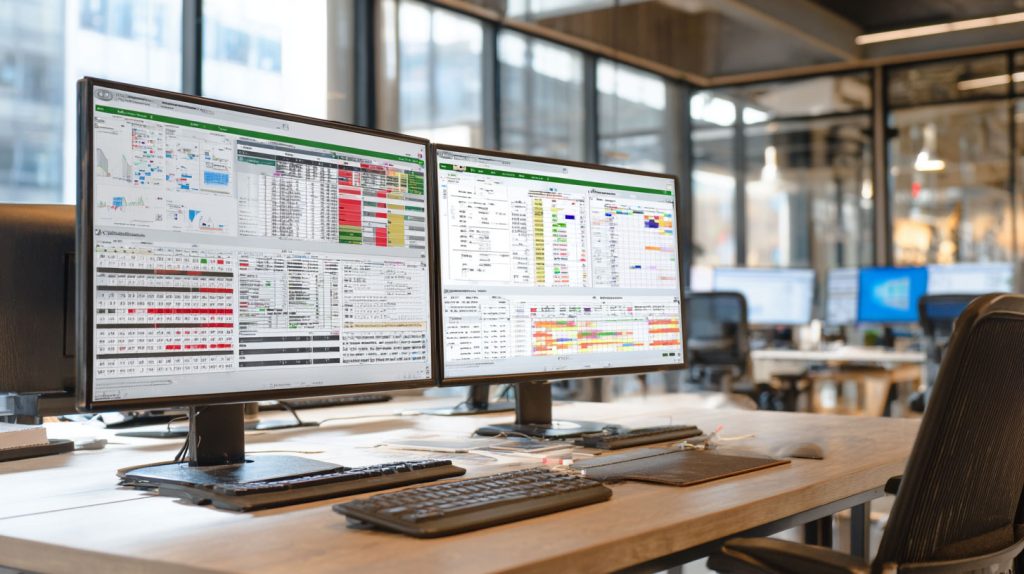
AI Integration Will Connect Equipment, Schedules, and Project Data
Artificial intelligence will serve as the connective tissue of future construction operations. Instead of operating as a standalone tool, AI will integrate equipment tracking, scheduling, procurement, and workforce management into a single intelligent platform. This level of integration will allow systems to learn from patterns and adjust workflows automatically.
For instance, if AI detects that a specific machine is frequently underutilized, it might suggest moving it to another project or delaying a scheduled rental. If an equipment delay threatens to impact a key milestone, the system could recommend alternative resources or reschedule dependencies automatically. AI integration will also help teams anticipate long-term needs, such as seasonal usage spikes or repeated maintenance issues, ensuring smoother planning across all projects.
This level of interconnected intelligence will give superintendents and project leaders unprecedented control. They will manage projects based on predictive insights rather than reactive responses, making jobsite operations more efficient and predictable.
Top Benefits
- Creates a unified workflow across scheduling, procurement, and equipment tracking
- Uses predictive modeling to prevent resource shortages and scheduling conflicts
- Continuously improves efficiency through adaptive machine learning
Best Practices
- Connect AI systems to all major project management tools for holistic insight
- Use AI analytics to evaluate performance and detect recurring inefficiencies
- Regularly validate AI recommendations with field data for ongoing optimization
Q&A Mini Section
Q: How does AI improve decision-making for superintendents?
A: It provides data-driven insights and suggestions, helping leaders make proactive, informed decisions.
Q: Can AI help forecast long-term equipment demand?
A: Yes. It uses historical data and project trends to predict future needs and prevent shortages.
Q: Will AI integration replace project managers or superintendents?
A: No. It enhances their roles by providing actionable intelligence that strengthens leadership and strategy.
AI integration will transform construction operations into fully connected systems that think, adapt, and support leadership in real time.
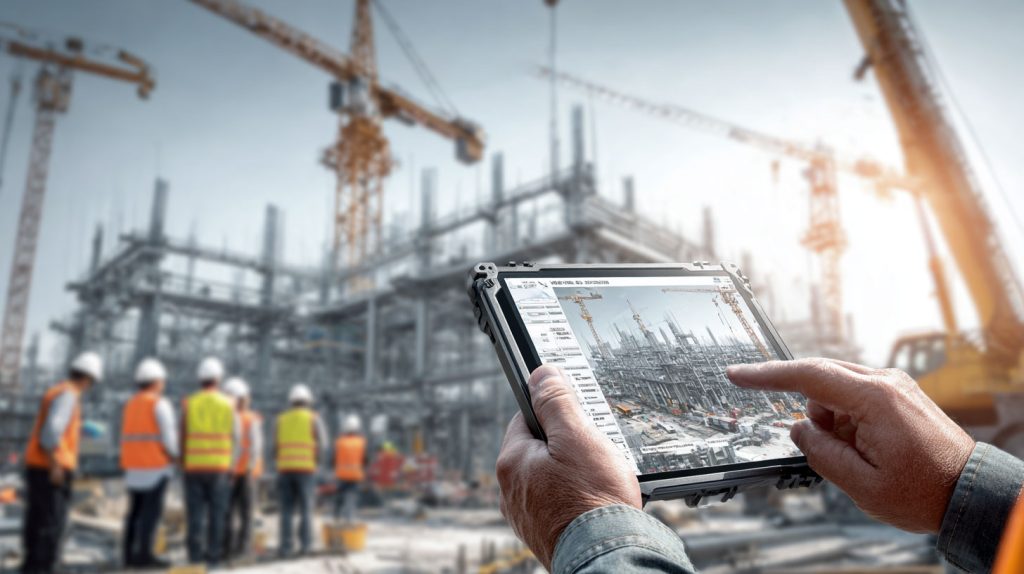
StruxHub: Revolutionizing Project Management in Large Commercial Construction
How StruxHub Is Preparing Construction Leaders for the Future of Equipment Tracking
StruxHub is building the future of equipment tracking today. Its platform combines automation, AI analytics, and real-time communication to help superintendents and project leaders manage fleets efficiently across multiple sites. Every machine, tool, and vehicle can be tracked, logged, and maintained automatically within one intuitive dashboard.
With predictive analytics, StruxHub identifies underutilized equipment, forecasts maintenance needs, and highlights potential scheduling conflicts before they occur. Its automation tools generate alerts and reports instantly, ensuring that leaders always have accurate information without manual work. Mobile access keeps crews connected from anywhere, enabling updates, inspections, and maintenance verification in real time.
StruxHub also integrates seamlessly with scheduling, procurement, and inventory systems, providing a single source of truth for all project data. By uniting teams and technology, it empowers construction leaders to manage proactively, reduce downtime, and stay ahead of future challenges.
Top Benefits
- Provides real-time tracking, automation, and AI forecasting in one system
- Eliminates downtime by predicting and preventing equipment issues
- Connects teams, suppliers, and schedules through one unified dashboard
Best Practices
- Enable StruxHub’s predictive analytics to anticipate maintenance needs early
- Use automation to schedule servicing and generate reports automatically
- Review StruxHub dashboards weekly to monitor utilization and performance
Q&A Mini Section
Q: How does StruxHub prepare teams for the next generation of equipment tracking?
A: It brings AI, automation, and communication together to eliminate delays and increase efficiency.
Q: Can StruxHub integrate with existing project management platforms?
A: Yes. It connects directly with scheduling, procurement, and reporting tools for unified workflows.
Q: Why is StruxHub ideal for superintendents and project leaders?
A: It simplifies complex operations, giving leaders complete visibility and predictive control over every asset.
StruxHub gives superintendents the foresight and tools they need to lead with confidence, turning equipment management into a competitive advantage that keeps projects ahead of schedule.
FAQ: The Future of Construction Equipment Tracking and Jobsite Innovation
1. How will construction equipment tracking evolve in the next five years?
Over the next five years, equipment tracking will evolve into a fully automated, AI-assisted process that connects every part of the construction ecosystem. GPS and IoT sensors will continue to get smaller, cheaper, and more powerful, enabling real-time visibility across entire fleets. Data will flow seamlessly between tracking platforms, scheduling systems, and procurement tools, creating a single source of truth for all jobsite operations. Predictive analytics will also become more sophisticated, allowing teams to anticipate maintenance needs, manage utilization, and prevent downtime before it begins. This combination of connectivity and intelligence will transform equipment management from a reactive task into a proactive, data-driven process.
2. How will the role of the superintendent change as technology becomes more advanced?
Superintendents will increasingly become data-driven leaders who use technology to make faster, smarter decisions. Instead of spending time verifying equipment status or chasing updates, they will rely on automated systems that deliver accurate insights instantly. Their focus will shift from monitoring to strategizing—using analytics to optimize schedules, resource allocation, and safety. Superintendents will also play a larger role in cross-department collaboration, ensuring that project data flows smoothly between logistics, finance, and operations. In short, technology will not replace the superintendent’s leadership—it will amplify it.
StruxHub
Discover how StruxHub can revolutionize your construction management. Contact us today!
3. How does AI help reduce costs and delays in equipment management?
AI reduces costs by improving equipment utilization, extending lifespan through predictive maintenance, and minimizing downtime caused by breakdowns or scheduling conflicts. By analyzing real-time data from IoT sensors and historical performance records, AI can recommend the most efficient use of resources, suggest optimal maintenance timing, and flag inefficiencies. This prevents overordering, unnecessary rentals, and late repairs that often inflate budgets. For superintendents, AI provides a clear, actionable overview of every asset, helping them allocate resources precisely where they are needed to maintain productivity and profitability.
4. Will automation and real-time tracking replace manual processes entirely?
Yes, automation and real-time tracking will phase out manual reporting and paper-based systems across most construction firms. Cloud-based dashboards will handle everything from check-ins and maintenance logs to equipment transfers automatically. Data will update instantly as sensors detect movement or usage, eliminating the need for daily manual reconciliation. However, human oversight will remain essential. Superintendents and project leaders will interpret the data, make judgment calls, and ensure that automated systems reflect real-world priorities and conditions.
5. How is StruxHub helping construction teams prepare for this future?
StruxHub is at the forefront of digital construction management. Its platform combines real-time equipment tracking, AI forecasting, and automation to give teams complete control over their assets. Predictive analytics anticipate maintenance needs, while automation generates instant updates and notifications to keep everyone aligned. Mobile access ensures that field teams can scan, update, and report equipment activity from anywhere. StruxHub’s integrations with scheduling and procurement systems create a connected workflow that improves visibility and decision-making. By simplifying operations and reducing delays, StruxHub helps superintendents and project leaders lead the transition toward smarter, more efficient construction management.