The Future of Construction Inventory Management: How Smarter Tools Are Helping Superintendents Stay Ahead of Delays
Table of Contents:
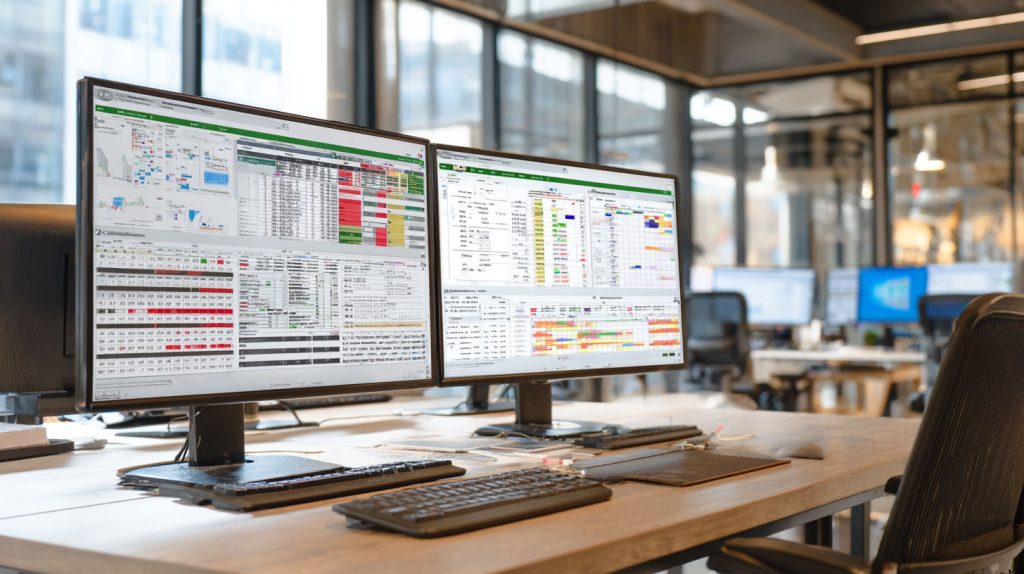
Delays remain one of the most persistent and costly challenges in construction. Even with strong leadership and precise scheduling, something as simple as a late material delivery or missing shipment can throw off an entire timeline. Traditionally, superintendents relied on manual logs, phone calls, and paper-based delivery slips to track inventory. These methods worked in the past but are no longer efficient enough for the fast pace of modern builds.
The future of construction inventory management is being shaped by smarter, data-driven tools designed to keep projects running smoothly. Powered by automation, cloud connectivity, and artificial intelligence, these systems allow superintendents to anticipate issues before they happen rather than reacting after the damage is done. Live updates, predictive analytics, and mobile field tools are helping teams stay coordinated and productive, even on the most complex jobsites.
In this guide, we’ll explore how advanced inventory management software is redefining how superintendents track, plan, and adapt in real time. You’ll learn how smart technology minimizes delays, reduces waste, and gives construction teams the visibility they need to deliver projects faster and more efficiently.
Smarter Technology Is Replacing Manual Tracking
Manual inventory tracking once depended on spreadsheets, handwritten logs, and verbal confirmations. Those methods created information gaps and left plenty of room for human error. If materials were delivered late, misplaced, or counted incorrectly, superintendents often wouldn’t find out until it was too late to prevent a delay.
Modern construction inventory management software has changed that. These systems record every delivery and update inventory levels automatically. Materials can be scanned using mobile devices as soon as they arrive on site, and quantities update in real time across all users. When paired with scheduling and procurement tools, the software can also link each delivery to specific project phases, ensuring the right materials are in the right place at the right time.
By eliminating guesswork and manual reporting, digital inventory tools give superintendents full control of their supply chain. Instead of chasing updates, they can focus on leading crews, managing schedules, and solving problems before they grow.
Top Benefits
- Replaces spreadsheets and manual counts with automated data updates
- Reduces human error through mobile scanning and digital logs
- Links materials directly to project schedules for better coordination
Best Practices
- Implement mobile scanning for every material delivery and movement
- Connect your inventory tool to scheduling and procurement systems
- Review material status dashboards daily to confirm accuracy
Q&A Mini Section
Q: How quickly can data update across teams?
A: Instantly. When materials are scanned or logged, updates appear across the system in real time.
Q: Do these tools replace spreadsheets entirely?
A: Yes. They centralize all inventory information into one platform with automatic tracking and reporting.
Q: Can the system track materials across multiple sites?
A: Absolutely. Cloud-based tools provide visibility across multiple locations at once.
Smarter inventory tools eliminate manual inefficiencies and create a live, connected workflow that keeps everyone informed and projects moving forward.
AI and Predictive Forecasting Are Transforming Material Planning
The next generation of construction inventory software is driven by artificial intelligence. AI uses historical project data, supplier performance, and real-time field information to forecast when materials will be needed and where shortages are most likely to occur.
Instead of relying on reactive ordering, AI identifies trends and recommends actions before problems arise. It can recognize patterns like delivery delays, overordering, or waste and adjust future recommendations automatically. This predictive capability ensures that materials arrive just in time, preventing unnecessary storage costs or on-site clutter.
AI also learns continuously. The more projects a company completes, the smarter the system becomes at anticipating future needs. For superintendents, this means fewer surprises, fewer emergency orders, and smoother coordination with procurement and suppliers.
Top Benefits
- Predicts shortages and delivery delays before they impact schedules
- Improves accuracy in ordering and reduces material waste
- Learns from past projects to provide smarter future planning
Best Practices
- Review AI-generated forecasts weekly during coordination meetings
- Use data trends to refine order timing and supplier communication
- Compare AI insights with real-world outcomes to strengthen accuracy
Q&A Mini Section
Q: How does AI forecast material needs?
A: It analyzes historical usage, delivery performance, and project timelines to predict future demand.
Q: Can AI adjust automatically when a project changes scope?
A: Yes. It recalculates predictions whenever schedules or material requirements shift.
Q: Does predictive forecasting save money as well as time?
A: It does. By preventing overordering and late purchases, projects run leaner and more cost-effectively.
AI forecasting gives superintendents the power to look ahead, not behind, transforming inventory planning into a proactive and data-driven process.

Automation and Real-Time Updates Are Reducing Delays
Even the most experienced teams can lose valuable time when information travels slowly. Automation solves that by keeping data synchronized across every part of the project. When materials are received, inspected, or used, the system automatically updates inventory counts and notifies relevant teams. Superintendents no longer have to rely on phone calls or manual status reports to know what is happening on site.
Real-time automation also helps with accountability. When discrepancies occur, such as missing shipments or damaged items, the system records them immediately with timestamps and user IDs. Automated notifications can alert suppliers and project managers the moment an issue arises, speeding up resolution and keeping schedules intact.
By linking automation directly to scheduling software, construction teams gain full transparency. The project timeline stays accurate, and everyone has access to the same live data, ensuring coordination between procurement, logistics, and field operations.
Top Benefits
- Eliminates manual data entry through automated updates
- Notifies teams instantly about changes, delays, or shortages
- Keeps schedules aligned by linking live inventory data to project tasks
Best Practices
- Set automatic alerts for delayed shipments or low stock levels
- Integrate automation features with your scheduling system
- Encourage field teams to verify deliveries immediately using mobile devices
Q&A Mini Section
Q: How do automation and real-time updates work together?
A: Automation handles data entry and reporting, while real-time syncing ensures that updates reach all teams immediately.
Q: Can automation detect missing or incorrect deliveries?
A: Yes. The system flags inconsistencies between purchase orders and received materials automatically.
Q: Does this reduce communication errors on large projects?
A: Significantly. Everyone works from the same live data, eliminating confusion between trades or suppliers.
Automation gives superintendents a dependable system that manages updates automatically, keeping projects on track even when challenges arise.
Data Analytics Are Helping Superintendents Make Smarter Decisions
In the future of construction management, data analytics will become as essential as scheduling itself. The latest inventory management platforms collect, organize, and analyze massive amounts of data about materials, deliveries, and supplier performance. This data is then presented in visual dashboards that help superintendents see patterns and trends that would otherwise go unnoticed.
Analytics reveal important insights, such as which suppliers consistently deliver late, which materials are frequently overordered, or which trades consume resources faster than expected. These insights allow teams to take corrective action before those issues affect productivity or scheduling. By comparing data across multiple projects, superintendents can refine procurement strategies, improve cost forecasting, and identify where efficiency gains can be made.
For superintendents, data analytics turn inventory management from reactive oversight into strategic leadership. Instead of guessing what went wrong, they can use real evidence to prevent issues before they occur.
Top Benefits
- Provides actionable insights into supplier reliability and material usage
- Improves forecasting accuracy for future projects
- Reduces costs and delays through data-backed decision-making
Best Practices
- Review analytics reports weekly to evaluate supplier performance
- Track waste patterns to refine ordering practices
- Share data visualizations with field teams to align everyone on goals
Q&A Mini Section
Q: How do analytics improve day-to-day efficiency?
A: They highlight inefficiencies and recurring problems so they can be fixed early.
Q: Can analytics data be exported for reporting?
A: Yes. Most systems can export graphs and summaries directly into project reports.
Q: How does this data support long-term improvement?
A: It helps standardize successful practices across all future projects.
Analytics give superintendents an unmatched level of insight and control, making every decision more informed and every project more predictable.
Communication Tools Are Uniting Teams Across the Supply Chain
Communication breakdowns are one of the main causes of construction delays. Traditional methods like calls, emails, and printed delivery logs are too slow for today’s fast-paced jobsites. Modern inventory management platforms include built-in communication tools that connect superintendents, field crews, suppliers, and office staff in real time.
With shared dashboards and instant messaging, updates happen immediately. When a shipment is delayed or a material shortage occurs, all stakeholders receive notifications at the same time. Suppliers can confirm delivery times directly within the system, and foremen can upload photos or notes from the field. This creates a live communication trail that keeps everyone on the same page.
Centralized communication not only prevents confusion but also builds accountability. Every interaction is stored digitally, so there’s no question about who received what information or when.
Top Benefits
- Centralizes communication for faster updates and fewer errors
- Improves collaboration between field, office, and suppliers
- Creates a clear digital record of all communication and approvals
Best Practices
- Use the platform’s built-in chat tools instead of relying on external apps
- Tag specific users or teams in updates for faster coordination
- Review communication logs regularly to ensure transparency
Q&A Mini Section
Q: How do digital communication tools help superintendents?
A: They eliminate delays caused by slow or inconsistent updates, improving coordination.
Q: Can suppliers participate in the same communication system?
A: Yes. Many systems allow vendor access for status updates and confirmations.
Q: Are communication records stored permanently?
A: All messages and files are timestamped and archived for future reference.
Communication tools make it easier for superintendents to coordinate multiple moving parts and maintain a shared understanding across the entire supply chain.

StruxHub
Experience the power of StruxHub today and witness firsthand how it can revolutionize your construction operations.
AI Integration Is Enhancing Forecasting and Reducing Waste
Artificial intelligence has moved beyond simple prediction to become a critical partner in managing construction efficiency. When integrated with inventory software, AI can monitor material usage, analyze cost trends, and identify where waste or inefficiencies are occurring.
For example, if certain materials are consistently left over after a project phase, AI can flag the issue and adjust future procurement quantities automatically. If the system detects repeated delays from a supplier, it can suggest alternative vendors or adjust reorder timing. AI also helps control costs by recommending just-in-time deliveries that keep sites stocked without overloading storage areas.
This integration creates a continuous improvement cycle. The more the system learns, the smarter and more efficient the entire process becomes. For superintendents, AI integration means fewer delays, reduced waste, and a data-driven approach to resource management.
Top Benefits
- Analyzes consumption patterns to prevent waste and overordering
- Recommends supplier changes based on performance history
- Optimizes delivery timing to keep sites stocked efficiently
Best Practices
- Review AI-generated recommendations before every new phase
- Compare AI insights against actual results to measure accuracy
- Use AI data to guide long-term supplier and procurement strategies
Q&A Mini Section
Q: Can AI really improve resource efficiency?
A: Yes. It continuously evaluates patterns and adjusts ordering to minimize waste.
Q: Does AI require large amounts of data to function well?
A: It performs better with more data, but even small datasets can produce valuable insights.
Q: How does AI help control material costs?
A: By analyzing usage and supplier performance, AI ensures materials are purchased and delivered at the optimal time and quantity.
AI integration creates an intelligent feedback loop that strengthens every part of material management, ensuring projects run lean and delay-free.

StruxHub: Revolutionizing Project Management in Large Commercial Construction
How StruxHub Is Leading the Future of Construction Inventory Management
StruxHub combines automation, analytics, and AI forecasting to help superintendents stay ahead of delays and manage projects with confidence. The platform connects every part of the material supply chain, from ordering to installation, into one centralized system. Superintendents can view live inventory data, track deliveries, and communicate with suppliers instantly from a single dashboard.
Automation handles repetitive tasks like reorder alerts, delivery confirmations, and daily reports. AI-powered forecasting analyzes patterns to predict shortages and optimize ordering schedules. The built-in analytics tools transform data into visual dashboards, giving teams actionable insights into supplier performance and project progress.
For field managers, StruxHub’s mobile access ensures updates are captured directly on site, providing accurate, real-time information across every project. The result is a fully integrated ecosystem that eliminates uncertainty, reduces waste, and keeps construction schedules running smoothly.
Top Benefits
- Combines automation, analytics, and AI into one connected platform
- Provides predictive insights to prevent delays before they occur
- Keeps all stakeholders aligned through live communication and mobile access
Best Practices
- Enable StruxHub’s AI forecasting to track usage and prevent shortages
- Use automated alerts for delivery coordination and daily reporting
- Review analytics dashboards weekly to identify improvement areas
Q&A Mini Section
Q: How does StruxHub prevent construction delays?
A: It connects live inventory data with AI forecasting and automation to identify and resolve issues before they affect the schedule.
Q: Can StruxHub integrate with other management tools?
A: Yes. It syncs with scheduling, procurement, and project management platforms for a complete workflow solution.
Q: What makes StruxHub ideal for superintendents?
A: It is built specifically for field coordination, giving leaders real-time visibility and predictive control over every project phase.
StruxHub represents the future of construction inventory management, giving superintendents a single, intelligent platform to prevent delays and lead their projects with precision and clarity.
FAQ: The Future of Construction Inventory Management and Smarter Tools
1. What technologies are shaping the future of construction inventory management?
The future of construction inventory management is being driven by automation, artificial intelligence, cloud computing, and mobile connectivity. These technologies eliminate manual data entry, synchronize information across teams, and deliver real-time visibility into materials and deliveries. Automation streamlines repetitive tasks such as generating reports or reorder alerts, while AI forecasts future material needs and detects inefficiencies before they cause delays. Cloud-based dashboards ensure that everyone—from suppliers to field managers—works from the same accurate data, and mobile tools allow instant scanning and logging in the field. Together, these advancements give superintendents total control over inventory and help prevent costly downtime.
2. How do smarter tools help superintendents prevent project delays?
Smarter inventory tools keep materials, deliveries, and schedules aligned through real-time updates and predictive alerts. When a shipment is delayed or stock runs low, the system automatically notifies the right people so they can take action immediately. AI forecasting goes a step further by predicting shortages before they occur and suggesting reorder timing based on supplier performance. Automation ensures that data and reports are updated instantly, reducing the communication lag that often leads to lost time. These capabilities allow superintendents to identify problems early and make informed adjustments before a delay becomes unavoidable.
3. Will AI replace the superintendent’s role in managing materials?
No. AI and automation are designed to enhance human expertise, not replace it. While these technologies handle repetitive data processing and forecasting, superintendents still make the critical decisions that require experience, leadership, and judgment. AI supports those decisions by providing reliable data, accurate predictions, and instant access to information. It removes the noise and guesswork, allowing superintendents to focus on coordination, safety, and strategic planning. The future is about partnership between human insight and intelligent systems working together to improve project outcomes.
StruxHub
Discover how StruxHub can revolutionize your construction management. Contact us today!
4. How does real-time communication improve collaboration across construction teams?
Real-time communication connects every department in a single workflow. Field crews, suppliers, and office teams can share updates instantly through one system instead of relying on emails or phone calls. When materials are received, verified, or delayed, the information appears immediately in shared dashboards. This eliminates confusion about status, responsibilities, or timelines. It also creates a digital record of all communication, which improves accountability and simplifies audits. With everyone working from the same live data, collaboration becomes seamless, and projects stay organized and efficient.
5. How is StruxHub preparing construction teams for the future of inventory management?
StruxHub combines automation, analytics, and AI forecasting in a single, integrated platform built specifically for superintendents and field teams. It automates tracking, reporting, and reorder alerts while providing predictive insights that identify risks before they cause disruptions. StruxHub’s real-time dashboards offer complete visibility into deliveries, stock levels, and supplier performance, all accessible from mobile devices. Its cloud-based communication tools connect every stakeholder, ensuring that decisions are made quickly and confidently. By uniting these capabilities, StruxHub empowers construction teams to lead with foresight, reduce waste, and stay ahead of delays across every phase of the project.