Top Reasons Superintendents and Field Managers Are Switching to Construction Inventory Management Software to Solve Material Tracking Issues
Table of Contents:
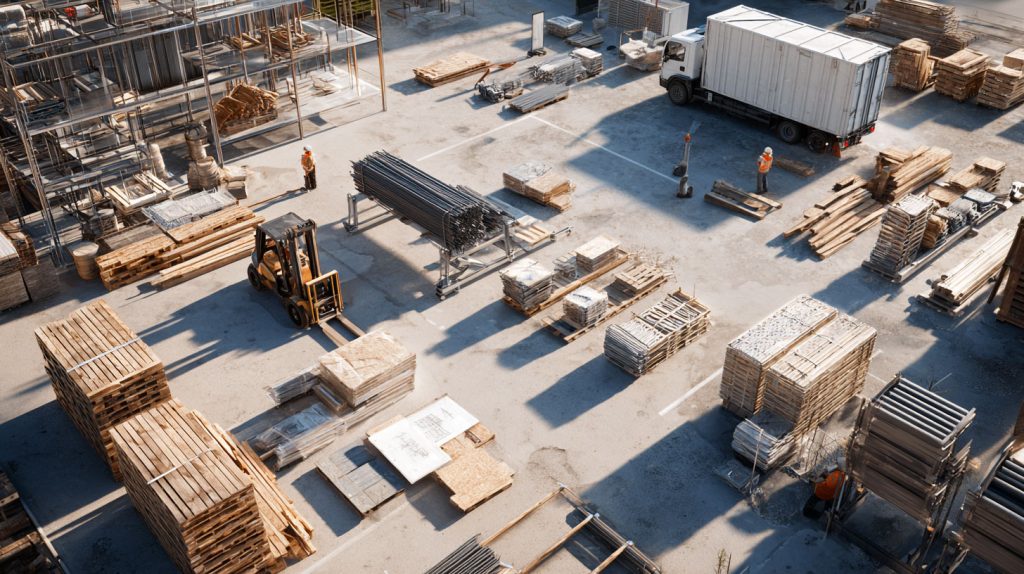
Every superintendent knows the frustration of lost materials, delayed deliveries, and inaccurate counts. A missing pallet of conduit or a misplaced order of concrete forms can throw off a day’s work — or an entire week’s schedule. For decades, these issues were “just part of the job,” managed with phone calls, paper delivery slips, and Excel sheets. But today, the smartest construction teams are saying goodbye to those outdated methods and switching to construction inventory management software to take control of their material tracking once and for all.
This new generation of software helps superintendents and field managers track materials from order to installation, providing full visibility across suppliers, warehouses, and jobsites in real time. By replacing manual tracking with automated updates and mobile field tools, it eliminates the guesswork that causes costly slowdowns. Materials are logged as they arrive, counted automatically, and stored digitally — so nothing slips through the cracks.
In this article, we’ll explore the top reasons superintendents and field managers are adopting construction inventory management software to solve material tracking issues — and how these tools are helping crews work faster, smarter, and with fewer headaches.
Real-Time Tracking Prevents Lost or Misplaced Materials
Manual tracking methods — like spreadsheets, clipboards, or text message confirmations — leave too much room for error. Materials get delivered to the wrong location, mislabeled in storage, or forgotten entirely. Construction inventory management software fixes this with real-time tracking.
Every delivery, from a single box of fittings to truckloads of steel, is logged digitally as soon as it hits the site. Crews can scan barcodes or QR codes using mobile devices to verify materials instantly, while the software updates inventory counts automatically. Superintendents can see what’s on-site, what’s in transit, and what’s been used — all from one dashboard. If something goes missing, the system shows exactly where it was last scanned and by whom.
Top Benefits
- Prevents misplaced materials through live digital tracking
- Gives field teams instant access to material quantities and locations
- Reduces project delays caused by missing or inaccurate shipments
Best Practices
- Scan all deliveries upon arrival and link them to specific job phases
- Use RFID or QR codes for faster tracking of high-value items
- Review live inventory dashboards daily for location and quantity accuracy
Q&A Mini Section
Q: How does real-time tracking help large projects?
A: It ensures that materials for different zones or phases are tracked individually and never mixed up.
Q: Can materials be tracked across multiple sites?
A: Yes — centralized dashboards provide visibility across all active projects.
Q: How fast do updates appear?
A: Instantly — the system syncs data from every device in real time.
Real-time visibility is the first step toward ending the confusion and waste caused by outdated material tracking.
Automation Replaces Manual Counting and Data Entry
One of the biggest time-wasters in construction management is manual material tracking. Field managers and superintendents often spend hours each week counting, logging, and updating spreadsheets. Even with diligence, errors creep in — materials get double-counted, quantities go unverified, and records lag behind.
Automation inside inventory management software eliminates this problem. As materials are scanned, moved, or installed, the system updates counts automatically. Reorder alerts trigger when stock levels run low, and discrepancies between deliveries and purchase orders are flagged instantly. This means fewer missed items, faster approvals, and no more chasing paper receipts.
Top Benefits
- Saves time by eliminating manual counts and spreadsheet updates
- Automatically updates quantities as materials are used or moved
- Prevents human error and duplicate entries through validation rules
Best Practices
- Configure automatic reorder alerts for key consumables
- Use automation logs to verify deliveries against supplier records
- Integrate your software with purchase order systems for seamless coordination
Q&A Mini Section
Q: How much time does automation save each week?
A: Superintendents typically save 4–6 hours per week by eliminating manual entry.
Q: Can automation handle complex multi-trade projects?
A: Yes — it tracks material usage separately by trade or phase for precise accountability.
Q: Does automation require specialized training?
A: Not at all — most systems are intuitive and sync automatically with your workflow.
Automation gives superintendents their time back while ensuring that every material is tracked accurately — from warehouse to jobsite.
StruxHub
Discover how StruxHub can revolutionize your construction management. Contact us today!
Mobile Apps Give Crews Control in the Field
Material management doesn’t happen in the office — it happens in the field. That’s why mobile access is one of the most critical reasons construction teams are adopting modern inventory software. With mobile apps, foremen and delivery coordinators can scan, verify, and log materials on-site without waiting for administrative input.
Field teams can upload photos, tag deliveries to specific areas, and mark when materials are installed or moved. These updates sync automatically to the cloud, giving office teams instant visibility. If a delivery is short or damaged, the superintendent is notified immediately. The result is tighter accountability, faster problem resolution, and smoother communication between the field and office.
Top Benefits
- Empowers field teams to manage materials directly from mobile devices
- Syncs delivery and inventory data instantly between field and office
- Reduces response times when issues arise on-site
Best Practices
- Train foremen to scan materials during unloading to confirm deliveries
- Use photo verification for high-value or fragile materials
- Ensure mobile devices are synced daily for data accuracy
Q&A Mini Section
Q: Can field teams use the software offline?
A: Yes — most mobile apps store data locally and sync automatically when reconnected.
Q: What happens if materials are damaged during delivery?
A: Crews can upload photos immediately, creating a timestamped digital record for the supplier.
Q: Does mobile tracking improve productivity?
A: Absolutely — it reduces downtime and gives crews real-time confirmation that materials are ready.
Mobile access gives superintendents and field managers the flexibility to manage materials on the go — ensuring that the jobsite never slows down.

Analytics and Dashboards Provide Complete Inventory Visibility
Spreadsheets and manual logs can’t provide the big-picture view needed for multi-phase projects. Construction inventory management software includes dashboards and analytics tools that track material flow across every project, supplier, and trade. These dashboards display live data — quantities in stock, items in transit, consumption rates, and even supplier performance — all in one view.
With analytics, superintendents can see trends like recurring delays or overordering patterns. These insights lead to better decision-making and tighter control over budgets. Historical data can also be used to improve forecasting, reduce waste, and negotiate better supplier terms.
Top Benefits
- Provides real-time visibility into material usage and logistics
- Identifies inefficiencies and recurring supply chain issues
- Simplifies reporting with automated, visual dashboards
Best Practices
- Review dashboard reports weekly to detect bottlenecks
- Compare supplier performance across projects for quality assurance
- Use historical analytics to refine purchasing strategies for future jobs
Q&A Mini Section
Q: How do analytics improve inventory control?
A: They provide data-driven insights into usage patterns and delivery performance.
Q: Can dashboards be customized?
A: Yes — most software allows custom filters for trades, projects, or suppliers.
Q: Do analytics tools require extra setup?
A: Not typically — they’re built into most modern inventory platforms.
Analytics give superintendents and field managers measurable control over every material movement, helping them eliminate waste and make smarter decisions.

StruxHub
Experience the power of StruxHub today and witness firsthand how it can revolutionize your construction operations.
Integration With Scheduling and Procurement Systems
Material management doesn’t exist in a vacuum — it’s connected to every other aspect of construction. The best inventory software integrates directly with scheduling, procurement, and project management systems, ensuring that all data stays consistent. When schedules shift or orders change, the inventory system updates automatically, preventing double orders or missed deliveries.
Procurement teams can view live material status to plan ahead, while superintendents can align deliveries with active job phases. This end-to-end integration minimizes miscommunication, reduces administrative workload, and ensures that everyone from the office to the field works from the same up-to-date information.
Top Benefits
- Synchronizes material data with schedules, budgets, and procurement workflows
- Reduces manual coordination and duplicate data entry
- Keeps all project stakeholders aligned in real time
Best Practices
- Connect inventory software with your scheduling and procurement systems early in setup
- Automate purchase order generation based on usage thresholds
- Share integrated dashboards with project managers for improved coordination
Q&A Mini Section
Q: How does integration help with project scheduling?
A: It ensures that materials arrive on time and are aligned with planned activities.
Q: Can procurement teams track deliveries in real time?
A: Yes — integrated systems give them full visibility into material movements.
Q: Does integration help with financial reporting?
A: Absolutely — data syncs with cost tracking systems to ensure accuracy.
Integration connects the dots between planning, purchasing, and performance — turning inventory management into a seamless part of project execution.

StruxHub: Revolutionizing Project Management in Large Commercial Construction
How StruxHub Helps Construction Teams Solve Material Tracking Challenges
StruxHub was designed to eliminate the chaos of manual material tracking. Its powerful construction inventory management module connects every delivery, storage location, and supplier in one intuitive platform. Superintendents can view real-time inventory levels, verify deliveries, and track materials across multiple projects with just a few clicks.
Using mobile devices, field crews can scan materials upon arrival, upload verification photos, and log quantities instantly. StruxHub’s automation ensures that updates flow directly into project dashboards and reports without manual input. AI analytics identify shortages before they happen, while predictive tools optimize reorder timing. With integrations across scheduling, procurement, and reporting, StruxHub provides a single source of truth for everything that moves through the jobsite — saving time, preventing waste, and keeping teams fully aligned.
Top Benefits
- Real-time material tracking across multiple job sites
- Mobile scanning and automation to replace manual logs
- Predictive analytics to forecast shortages and optimize deliveries
Best Practices
- Use StruxHub’s mobile tools to verify deliveries instantly
- Set predictive reorder thresholds based on AI-driven insights
- Review performance dashboards weekly to track supplier reliability
Q&A Mini Section
Q: How does StruxHub improve collaboration between office and field teams?
A: It unites material tracking, scheduling, and reporting in one live system accessible to everyone.
Q: Can StruxHub track deliveries from multiple suppliers?
A: Yes — the system integrates with supplier data feeds for full visibility and accountability.
Q: What’s the biggest advantage for superintendents?
A: Instant, accurate information about where every material is and when it will arrive.
With StruxHub, material tracking isn’t just easier — it’s intelligent, automated, and designed to help superintendents and field managers stay ahead of every challenge.

FAQ: Construction Inventory Software and Material Tracking
1. Why is material tracking such a major challenge in construction?
Because materials move constantly — from vendors to warehouses to job sites — and multiple teams handle them along the way. Without centralized tracking, information gets lost, leading to wasted time and missing materials. Software fixes this by providing one system of record that tracks every step automatically.
2. How does inventory software improve project communication?
It keeps everyone connected. Updates from the field sync instantly with office dashboards, eliminating emails and spreadsheets. When deliveries or usage records change, everyone — from procurement to superintendents — sees it immediately.
3. Can smaller contractors benefit from inventory management systems?
Absolutely. Smaller teams often have fewer administrative resources, so automation and live tracking deliver even greater efficiency. These systems scale easily to match project size.
4. How does AI help with material tracking?
AI analyzes patterns in deliveries, consumption, and scheduling to forecast shortages and prevent overordering. It allows contractors to make data-driven decisions that reduce waste and improve supply reliability.
5. Why choose StruxHub for inventory and material tracking?
StruxHub combines automation, analytics, and mobile field tools in one platform. It tracks materials in real time, connects with supplier databases, and integrates with scheduling and procurement systems. Superintendents can log in anytime to see accurate data across multiple job sites — ensuring nothing goes missing and no one is left waiting.