How Does Heavy Equipment Tracking Actually Work on a Hyper-Scale Data Center Project?
Table of Contents:
Why Hyper-Scale Data Center Projects Depend on Heavy Equipment Visibility
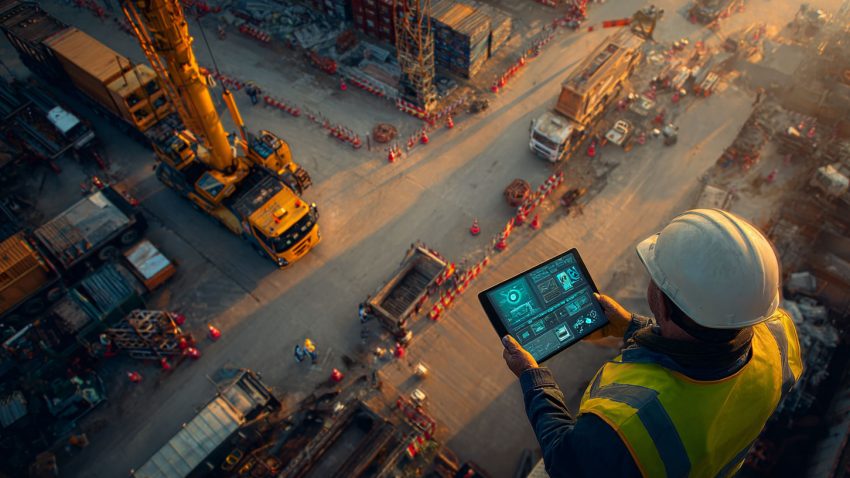
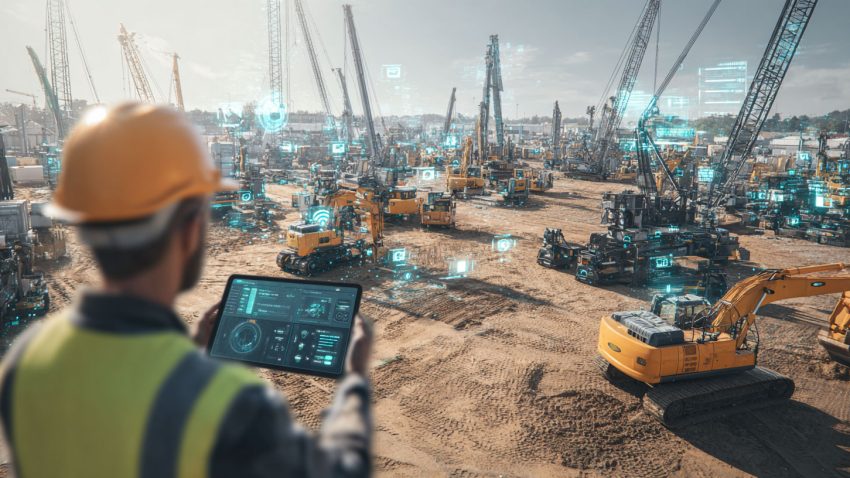
Hyper-scale data center projects operate at a completely different scale than traditional commercial construction. These sites often span hundreds of thousands of square feet and involve massive amounts of heavy equipment moving simultaneously across multiple work zones. Excavators, cranes, telehandlers, generators, boom lifts, loaders, and specialized delivery vehicles all support tightly coordinated operations where delays can impact thousands of downstream tasks.
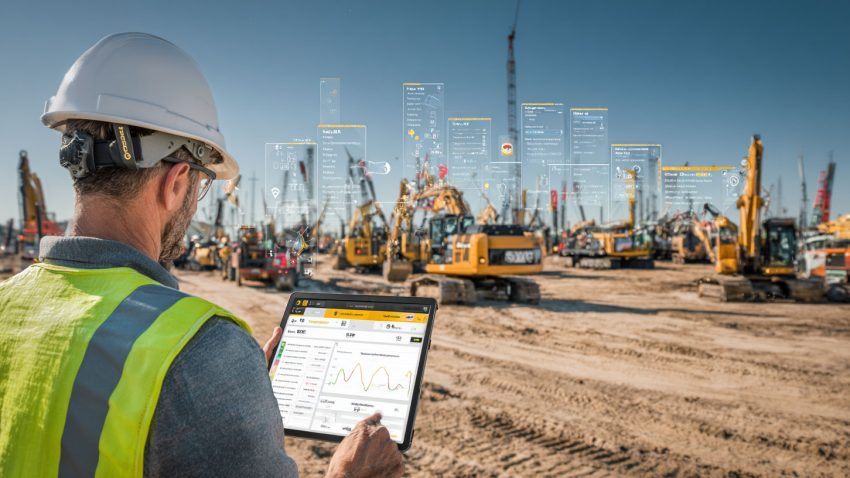
Because of this complexity, superintendents and operations teams need real-time visibility into every major asset on the project. Heavy equipment tracking systems provide this visibility by combining GPS tracking, telematics, AI analytics, and live dashboards into one connected workflow.
Instead of relying on manual calls or spreadsheets, teams can instantly verify:
- where equipment is located
- which crew is using it
- whether it is active or idle
- whether maintenance is due
- whether equipment is available for upcoming tasks
On hyper-scale projects, this level of visibility is critical because equipment delays often affect multiple trades simultaneously. If a crane is unavailable or a telehandler is in the wrong zone, installation schedules can quickly fall behind.
Modern tracking systems help prevent these issues by turning equipment operations into a live data environment that superintendents can monitor continuously throughout the day.
Top Features
- Real-time GPS visibility across massive jobsites
- Equipment utilization dashboards for operations teams
- Live telematics data showing machine health and activity
Top Benefits
- Improves coordination between equipment, manpower, and scheduling
- Reduces delays caused by misplaced or unavailable machines
- Helps contractors manage large fleets more efficiently
Best Practices
- Track all critical equipment from the first mobilization phase
- Monitor idle time and active usage daily
- Connect equipment tracking with scheduling and logistics workflows
Q&A
Q: Why is equipment tracking more important on hyper-scale projects?
A: These projects involve large fleets, overlapping trades, and tight schedules where equipment delays can affect multiple crews simultaneously.
Q: What equipment is typically tracked?
A: Cranes, excavators, boom lifts, telehandlers, generators, loaders, trucks, and other high-value or mission-critical assets.
Q: Can equipment tracking improve schedule reliability?
A: Yes. Better visibility helps teams allocate resources faster and avoid downtime caused by unavailable equipment.
How GPS and Telematics Systems Work on Large Data Center Jobsites
Heavy equipment tracking on a hyper-scale data center project usually begins with GPS devices and telematics hardware installed directly on each machine. GPS systems continuously report equipment location while telematics systems collect operational data from the equipment itself.
GPS tracking allows superintendents and fleet managers to see where machines are located across the site in real time. This is especially useful on massive projects with multiple structures, staging areas, laydown yards, and active work zones.
Telematics systems collect additional operational data such as:
- engine hours
- idle time
- fuel consumption
- maintenance alerts
- fault codes
- equipment utilization patterns
This information is transmitted to centralized dashboards where project teams can monitor performance continuously.
On hyper-scale jobsites, this data helps teams understand:
- which equipment is actively supporting production
- which assets are underused
- where maintenance issues may impact scheduling
- whether machines are being operated efficiently
By combining GPS and telematics, contractors gain both spatial visibility and operational intelligence across the fleet.
Top Features
- Live GPS tracking for all fleet assets
- Engine diagnostics and fault-code monitoring
- Real-time idle time and utilization reporting
Top Benefits
- Improves equipment visibility across large project zones
- Helps reduce downtime caused by unexpected breakdowns
- Supports smarter scheduling and fleet allocation decisions
Best Practices
- Configure geofences around project zones and staging areas
- Review telematics reports weekly with operations teams
- Use utilization data to optimize equipment deployment
Q&A
Q: What is the difference between GPS tracking and telematics?
A: GPS shows where equipment is located while telematics shows how the machine is operating.
Q: Why is idle time important on large projects?
A: Excessive idle time increases fuel costs and often indicates inefficient equipment allocation.
Q: Can telematics predict maintenance issues?
A: Yes. Modern systems monitor fault codes and engine data to help teams schedule preventive maintenance before failures occur.
How Superintendents Use Equipment Tracking to Coordinate Daily Operations
For superintendents, heavy equipment tracking is not just a fleet management tool — it is a daily operational coordination system. Hyper-scale projects move rapidly, and crews depend on equipment availability to maintain production flow.
Every morning, superintendents coordinate:
- crane schedules
- lift usage
- excavation sequencing
- material handling operations
- delivery staging
- access routes
Equipment tracking dashboards allow them to confirm whether the required machines are onsite, available, and functioning properly before work begins.
If equipment is delayed, under maintenance, or operating in another zone, the superintendent can adjust sequencing before crews lose productive time. This helps maintain workflow continuity across multiple trades.
Tracking systems also improve communication between field operations and fleet management teams. Instead of reacting to problems after they occur, project leaders can make proactive decisions based on real-time data.
Top Features
- Live equipment coordination dashboards
- Zone-based visibility across active work areas
- Integration with logistics and scheduling workflows
Top Benefits
- Helps superintendents coordinate crews more efficiently
- Reduces downtime caused by unavailable equipment
- Improves communication between field and operations teams
Best Practices
- Review equipment dashboards before daily coordination meetings
- Monitor equipment allocation by work zone
- Reassign idle equipment quickly to active production areas
Q&A
Q: How do superintendents use equipment tracking daily?
A: They use it to verify equipment availability, coordinate schedules, and avoid production delays.
Q: Can equipment tracking improve logistics planning?
A: Yes. Teams can coordinate deliveries, staging, and equipment usage more accurately with live data.
Q: Why is real-time visibility important on hyper-scale projects?
A: Conditions change constantly, and teams need instant awareness to keep work moving efficiently.
How Heavy Equipment Tracking Supports Crane, Lift, and Material Movement Planning
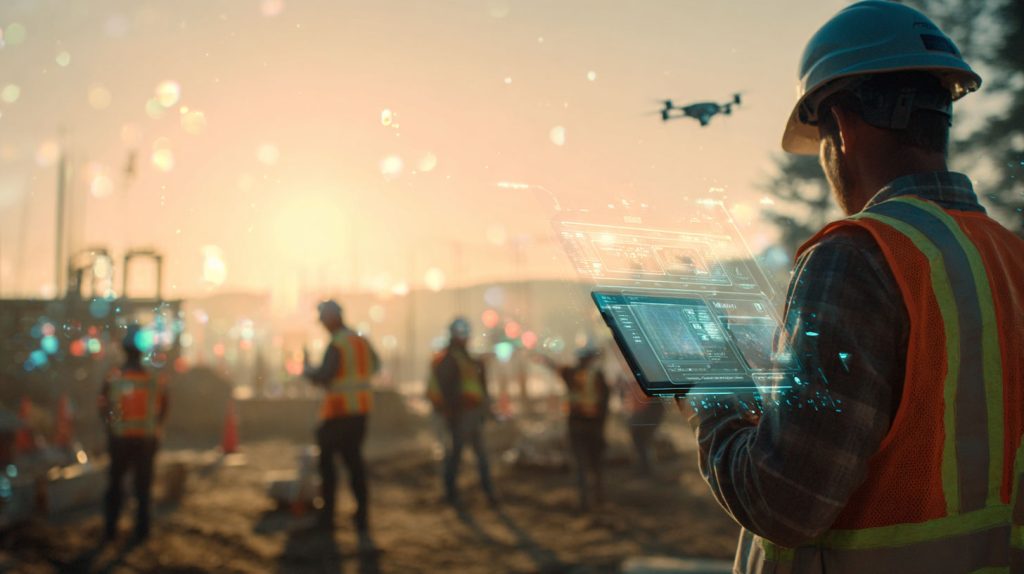
Hyper-scale data center projects depend heavily on coordinated lifting, hauling, and material movement. Cranes, forklifts, telehandlers, boom lifts, loaders, and delivery vehicles all need to operate in tight sequences across multiple zones. If one machine is unavailable, in the wrong location, or blocked by another activity, the delay can quickly affect several crews.
Heavy equipment tracking helps superintendents plan these movements with better accuracy. Instead of guessing whether a lift or telehandler is ready, teams can confirm location and availability in real time. This is especially important when coordinating large equipment deliveries, steel installation, prefabricated assemblies, electrical gear, mechanical systems, generators, and cooling infrastructure.
Tracking data also helps teams understand how equipment moves through the site. If a crane path is congested or a telehandler spends too much time traveling between zones, superintendents can adjust staging areas or delivery routes. These small improvements can create major productivity gains on large projects.
For mission-critical builds, where sequencing must be precise, equipment tracking gives teams the visibility needed to coordinate movement safely and efficiently.
Top Features
- Live visibility into cranes, lifts, telehandlers, and material-handling equipment
- Equipment movement history across jobsite zones
- Coordination dashboards for lift planning and delivery staging
Top Benefits
- Improves equipment availability for critical lifts and material movement
- Reduces delays caused by misplaced or overbooked equipment
- Supports safer coordination between machines, crews, and delivery routes
Best Practices
- Review equipment location before every major lift or delivery
- Coordinate equipment movement with site logistics and access plans
- Monitor congestion around laydown areas and high-traffic zones
Q&A
Q: Why is equipment tracking important for lift planning?
A: It helps teams confirm that cranes, lifts, and support equipment are available and positioned correctly before work begins.
Q: Can tracking data improve material movement?
A: Yes. Teams can identify inefficient routes, staging problems, and equipment bottlenecks that slow down deliveries.
Q: How does equipment tracking improve safety?
A: It helps teams avoid overlapping movement between machines, workers, and delivery vehicles.
StruxHub
Experience the power of StruxHub today and witness firsthand how it can revolutionize your construction operations.
How AI and Fleet Data Help Contractors Reduce Idle Time and Improve Utilization
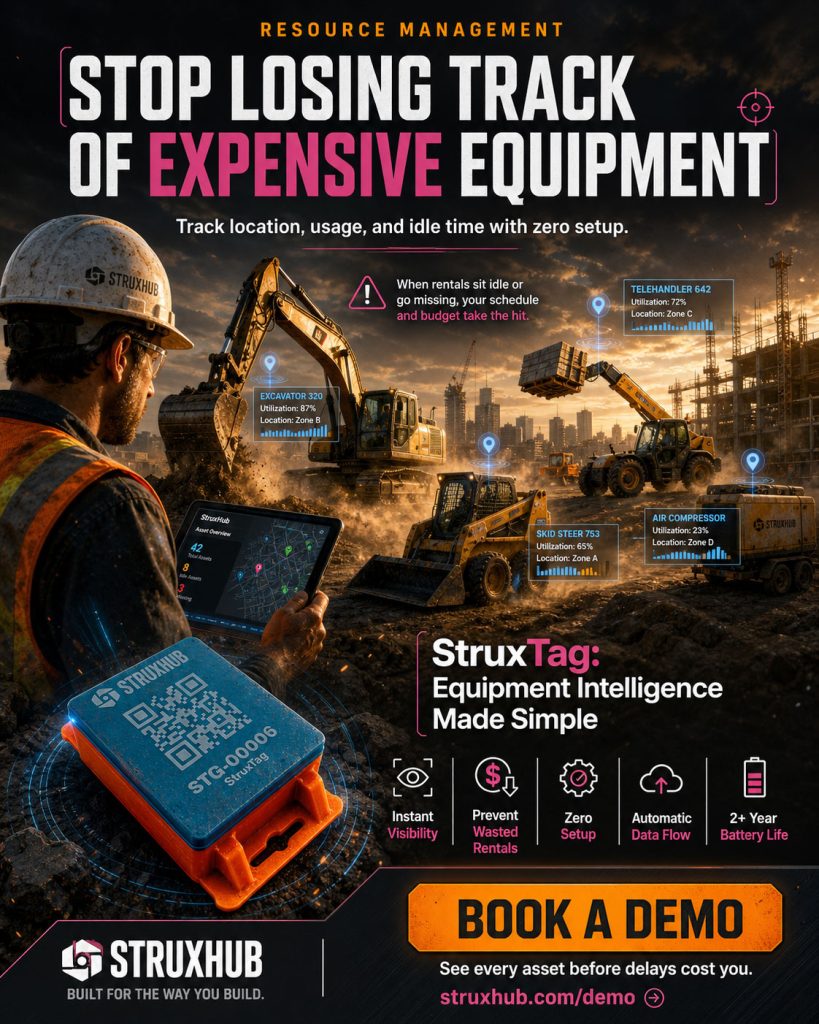
Idle equipment is one of the biggest hidden costs on a hyper-scale data center project. A machine may be onsite, rented, fueled, and maintained, but not actively supporting production. When this happens across dozens or hundreds of assets, the cost adds up quickly.
AI and fleet analytics help contractors identify these inefficiencies by analyzing equipment usage patterns. The system can show which machines are active, which are sitting idle, and which assets are being used less than expected. This gives superintendents and operations teams the data they need to reassign equipment or adjust schedules.
For example, if multiple boom lifts are idle in one zone while another crew is waiting for lift access, the team can rebalance equipment quickly. If a loader is only used for a short period each day, contractors may decide to share it across zones rather than rent another unit.
AI can also compare current equipment usage against historical project data. This helps contractors forecast future needs and avoid over-ordering equipment during busy phases.
Top Features
- AI-powered idle time detection
- Fleet utilization dashboards by equipment type and jobsite zone
- Usage trend reporting across project phases
Top Benefits
- Reduces unnecessary rentals and equipment waste
- Improves fleet deployment across large jobsites
- Helps contractors make better equipment planning decisions
Best Practices
- Review idle time reports at least weekly
- Reassign underused equipment before approving new rentals
- Compare utilization trends against project schedules
Q&A
Q: Why is idle time such a problem on large construction projects?
A: Idle equipment still costs money through rentals, fuel, maintenance, and depreciation while adding no production value.
Q: How does AI help reduce idle equipment?
A: AI identifies usage patterns and flags machines that are underused or poorly assigned.
Q: Can utilization data improve future equipment planning?
A: Yes. Contractors can use historical data to forecast equipment needs more accurately on future projects.
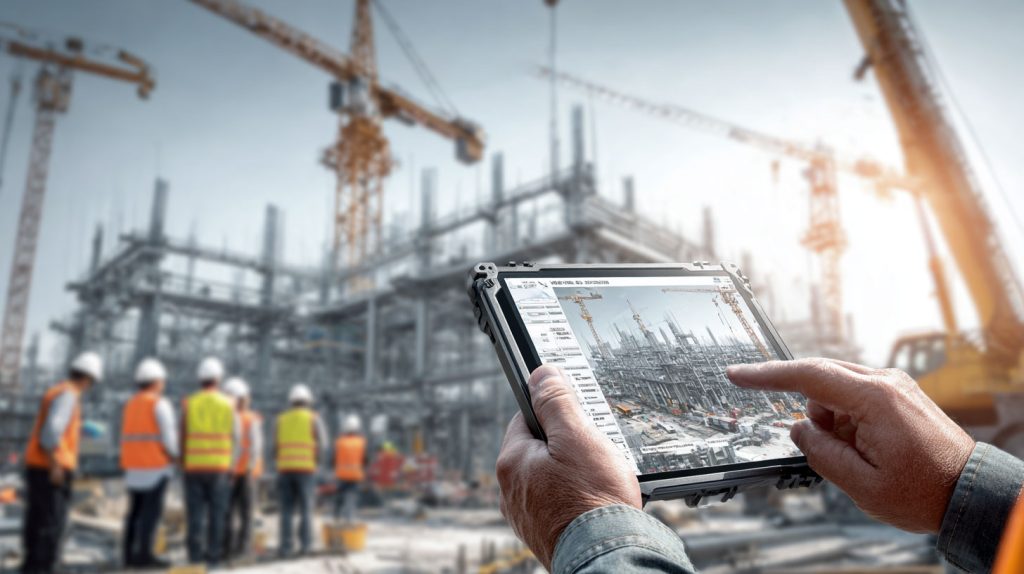
StruxHub: Revolutionizing Project Management in Large Commercial Construction
How Equipment Tracking Improves Maintenance Planning on Mission-Critical Jobsites
Equipment breakdowns on a hyper-scale data center project can create major schedule disruptions. When critical machines fail during excavation, lifting, material handling, or commissioning support, crews may lose hours or days waiting for repairs or replacements.
Heavy equipment tracking helps prevent this by connecting maintenance planning to real-time equipment data. Telematics systems monitor engine hours, fault codes, fuel usage, and machine health indicators. When a machine approaches a service threshold or shows signs of mechanical trouble, the system can alert fleet managers before the issue becomes a breakdown.
This is especially useful on large projects where equipment is spread across multiple zones. Without centralized tracking, maintenance teams may not know which machines are due for service until a problem occurs. Digital tracking creates a clear service history and helps contractors schedule maintenance during planned downtime instead of during active production.
For mission-critical projects, where schedule reliability is essential, proactive maintenance becomes a major advantage. It keeps equipment available, reduces emergency repair costs, and helps crews stay productive.
Top Features
- Engine hour tracking for preventive maintenance
- Fault code alerts for early issue detection
- Digital service history for each equipment asset
Top Benefits
- Reduces unexpected equipment breakdowns
- Improves equipment availability for scheduled work
- Helps extend the life of high-value fleet assets
Best Practices
- Set maintenance alerts based on engine hours and manufacturer recommendations
- Track all service history in one centralized system
- Schedule repairs during low-impact project windows whenever possible
Q&A
Q: How does tracking help prevent equipment breakdowns?
A: Telematics data alerts teams when machines need service or show early signs of mechanical issues.
Q: Why are engine hours important for maintenance?
A: Engine hours show actual usage, which is more accurate than calendar-based maintenance alone.
Q: Can maintenance tracking reduce project delays?
A: Yes. Preventive service helps keep machines available when crews need them most.
How StruxHub Helps Contractors Track Heavy Equipment on Hyper-Scale Data Center Projects
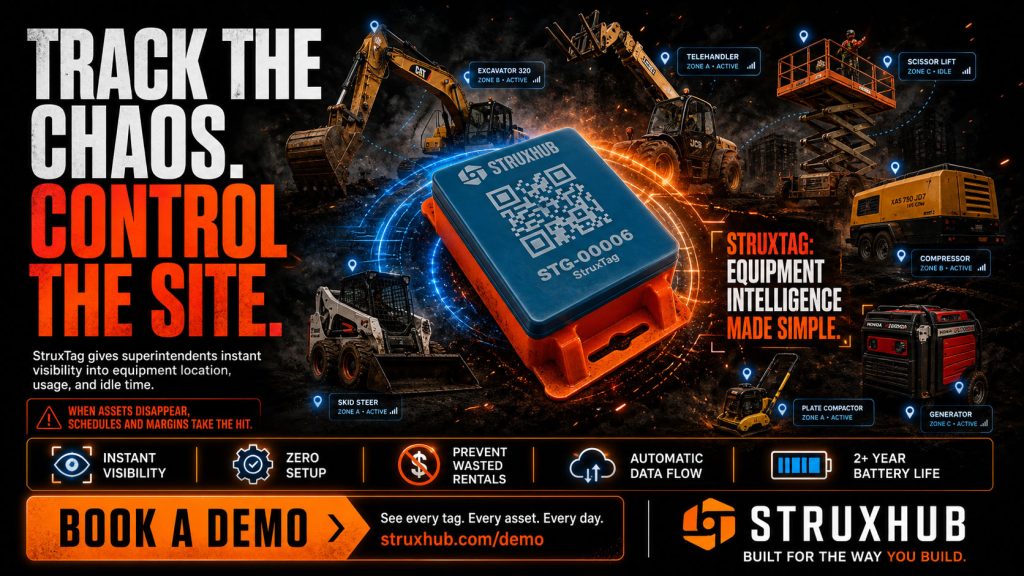
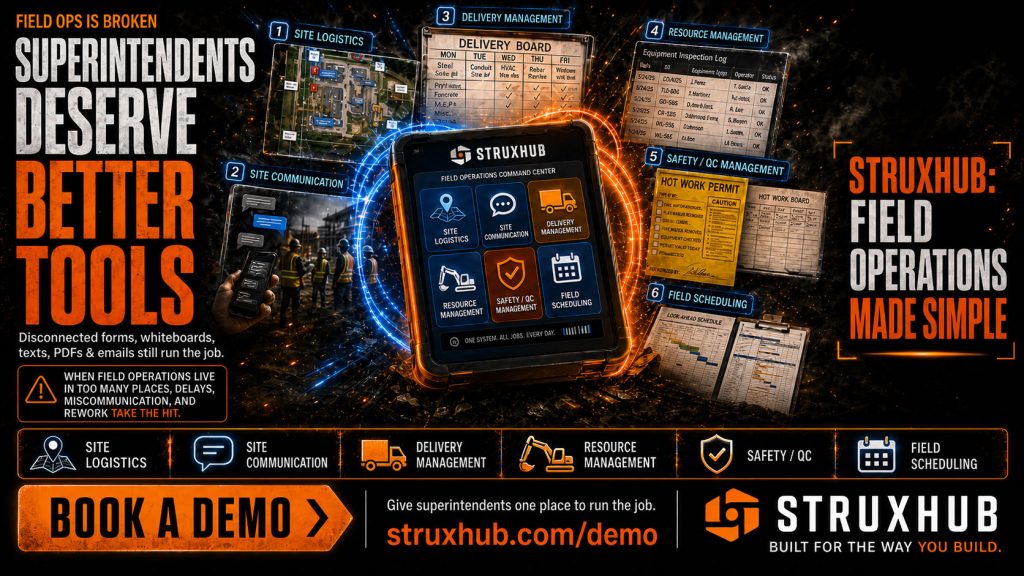
StruxHub helps contractors manage heavy equipment tracking as part of the larger jobsite coordination workflow. On hyper-scale data center projects, equipment visibility cannot sit in a separate system disconnected from scheduling, deliveries, field planning, and crew coordination. StruxHub helps bring these workflows together.
With StruxHub, superintendents and project teams can track equipment assignments, availability, jobsite zones, and operational status in one shared environment. This helps field leaders understand whether the right machines are in place for upcoming work and whether equipment conflicts could affect the schedule.
StruxHub also supports coordination between field teams, project managers, logistics teams, and operations leaders. When equipment data is connected to daily planning, delivery coordination, and field reports, teams can make faster decisions and reduce downtime.
For hyper-scale data center projects, this level of coordination is especially valuable. Large fleets, multiple trades, long schedules, and mission-critical deadlines require a clear system for managing resources. StruxHub helps contractors turn equipment tracking into a practical tool for improving productivity, visibility, and accountability.
Top Features
- Centralized equipment visibility across large project zones
- Equipment coordination connected to scheduling and field workflows
- Real-time dashboards for superintendents and operations teams
Top Benefits
- Helps teams coordinate large equipment fleets more effectively
- Reduces delays caused by missing, idle, or unavailable equipment
- Improves communication between field operations and project leadership
Best Practices
- Use StruxHub as the shared source of truth for equipment coordination
- Connect equipment planning with daily crew schedules and logistics updates
- Review fleet visibility during coordination meetings and look-ahead planning
Q&A
Q: How does StruxHub support heavy equipment tracking on data center projects?
A: StruxHub helps centralize equipment visibility and connects it with scheduling, logistics, and field coordination.
Q: Why is StruxHub useful for hyper-scale projects?
A: These projects require real-time coordination across large crews, multiple zones, and high-value equipment fleets.
Q: Can StruxHub help reduce equipment-related delays?
A: Yes. Better visibility helps teams identify missing, idle, or unavailable equipment before it disrupts work.
Frequently Asked Questions About Heavy Equipment Tracking on Hyper-Scale Data Center Projects
What is heavy equipment tracking on a hyper-scale data center project?
Heavy equipment tracking on a hyper-scale data center project refers to the use of GPS, telematics, AI analytics, and digital fleet management systems to monitor construction machinery in real time. These systems help contractors understand where equipment is located, how it is being used, and whether it is available for upcoming work.
Hyper-scale projects involve massive fleets spread across multiple zones, staging yards, and active work areas. Excavators, cranes, boom lifts, telehandlers, loaders, generators, and delivery vehicles all support tightly coordinated operations. Without tracking systems, it becomes difficult to maintain visibility across such a large and constantly changing environment.
Modern tracking platforms allow superintendents to see:
- live equipment locations
- idle versus active usage
- maintenance alerts
- operational status
- fleet utilization trends
This visibility improves decision-making and helps teams reduce downtime, improve logistics coordination, and avoid unnecessary equipment rentals.
On mission-critical projects where scheduling precision is essential, heavy equipment tracking becomes more than a fleet tool — it becomes part of the operational control system that keeps the project moving.
How do GPS and telematics improve construction equipment management?
GPS and telematics systems improve construction equipment management by giving contractors both location visibility and operational intelligence. GPS tracking shows where equipment is physically located, while telematics collects performance data directly from the machine.
GPS tracking helps teams:
- locate equipment quickly
- coordinate fleet movement between jobsites
- verify equipment assignments
- prevent unauthorized movement or theft
Telematics provides deeper operational insight by monitoring:
- engine hours
- idle time
- fuel usage
- fault codes
- utilization rates
- maintenance requirements
Together, these systems allow contractors to manage fleets more efficiently. Superintendents can verify that the right machines are onsite before work begins, while fleet managers can monitor performance and schedule maintenance proactively.
For large data center projects, this combination of visibility and machine intelligence helps contractors reduce delays, improve productivity, and maintain tighter operational control across the jobsite.
Why is equipment tracking important for mission-critical construction?
Mission-critical construction projects such as hyper-scale data centers require extremely precise coordination between crews, logistics, equipment, and schedules. Delays involving heavy equipment can affect multiple trades simultaneously and quickly create cascading schedule impacts.
Equipment tracking helps reduce these risks by giving project teams real-time awareness of equipment availability and utilization. Superintendents can confirm whether cranes, lifts, generators, and support equipment are available before assigning work or approving major activities.
Tracking systems also improve safety and planning. Teams can monitor machine movement, coordinate delivery routes, and reduce congestion around active work zones. If equipment becomes unavailable or delayed, project leaders can respond immediately rather than discovering the issue after crews are already waiting.
Mission-critical projects demand predictability. Equipment tracking provides the operational visibility needed to maintain production flow, avoid downtime, and support high-performance construction workflows.
How does AI improve heavy equipment tracking on large construction projects?
AI improves heavy equipment tracking by analyzing large amounts of fleet data and turning it into actionable operational insight. Instead of simply showing where machines are located, AI systems help contractors understand how equipment is being used and where inefficiencies exist.
AI can identify:
- excessive idle time
- underused equipment
- maintenance trends
- fuel inefficiencies
- equipment bottlenecks
- scheduling conflicts
This helps contractors optimize fleet deployment and make better operational decisions. For example, if several lifts are idle in one area while another crew is waiting for access elsewhere, AI analytics can help teams rebalance equipment allocation.
AI also supports predictive maintenance. By analyzing fault codes and machine behavior, the system can warn teams about potential mechanical problems before a breakdown occurs. This reduces downtime and helps contractors avoid schedule disruptions.
On large data center projects where hundreds of machines may operate simultaneously, AI gives superintendents and operations teams a much clearer understanding of fleet performance and productivity.
How does StruxHub help contractors manage heavy equipment on hyper-scale projects?
StruxHub helps contractors manage heavy equipment by connecting fleet visibility directly to field coordination, scheduling, logistics, and daily jobsite operations. Instead of using disconnected systems for equipment tracking and construction planning, StruxHub helps teams centralize this information into one operational workflow.
Superintendents can use StruxHub to:
- view equipment availability
- monitor fleet assignments
- coordinate equipment movement between zones
- align equipment scheduling with manpower and deliveries
- improve visibility across multiple jobsites
This level of coordination is especially important on hyper-scale data center projects where large fleets support multiple overlapping trades and high-pressure schedules.
StruxHub also improves communication between field teams, operations managers, and project leadership. When everyone works from the same equipment data, decisions happen faster and with greater accuracy.
By turning heavy equipment tracking into part of the larger project coordination system, StruxHub helps contractors improve productivity, reduce delays, and maintain stronger operational control across mission-critical construction projects.
 May 28, 2026